Unlock the Secrets: Art History’s Hidden Influence on Metal Crafting Techniques

webmaster

Renaissance Goldsmith**

"A Renaissance goldsmith in his workshop, meticulously crafting a jewel-encrusted pendant, fully clothed, appropriate attire, safe for work, detailed tools, workbench with various metals and gemstones, soft lighting, perfect anatomy, natural proportions, professional, modest, family-friendly."

**

Metalworking and art history – two seemingly disparate fields, yet intertwined in a fascinating dance through time. From the rudimentary tools of early civilizations to the exquisite jewelry adorning royalty, metal has always been a canvas for human creativity.

Exploring the evolution of metalworking techniques provides a tangible link to the past, allowing us to understand not only the skills but also the cultural values of bygone eras.

It’s a journey that reveals how societies harnessed the raw power of the earth to shape their world, leaving behind a legacy of beauty, utility, and enduring artistry.

I’ve always been captivated by the intricate details found in antique metalwork, it is like reading a hidden story. Let’s dive in to discover more together in the following sections.

The Alchemical Transformation: From Ore to Ornament

unlock - 이미지 1

Metalworking, at its heart, is a process of transformation. It’s about taking something raw and unrefined – a chunk of ore pulled from the earth – and turning it into something of value, whether that value is measured in utility, beauty, or both.

Early civilizations, with their rudimentary tools and limited understanding of metallurgy, were nevertheless able to extract metals and shape them into objects that met their needs.

Copper, being relatively easy to extract and work with, was one of the first metals to be widely used. Imagine early artisans carefully heating copper ore in a crucible, coaxing the pure metal to separate from the rock, then hammering and shaping it into tools, weapons, and simple ornaments.

The process was likely a combination of trial and error, guided by keen observation and passed down through generations. The discovery of alloying, combining two or more metals to create a new material with enhanced properties, was a major breakthrough.

Bronze, an alloy of copper and tin, was stronger and more durable than copper alone, ushering in the Bronze Age and revolutionizing toolmaking and warfare.

This wasn’t just about creating better tools; it was about pushing the boundaries of what was possible, laying the groundwork for the more sophisticated metalworking techniques that would follow.

1. The Crucible of Innovation: Early Metalworking Techniques

The early methods of metalworking involved a lot of hands-on work. The discovery of fire allowed ancient people to melt and mold metals, which was a major step forward.

Simple tools like stone hammers and molds were used to shape these metals. This marked the beginning of a long journey of innovation, as they learned to create essential items and decorative pieces.

For example, in ancient Egypt, gold was hammered into thin sheets to adorn statues and sarcophagi, showcasing their advanced skills. The techniques used were basic but effective, demonstrating an impressive understanding of material properties.

2. Forging Ahead: The Art of Shaping Metal

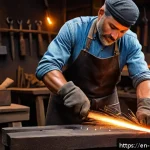
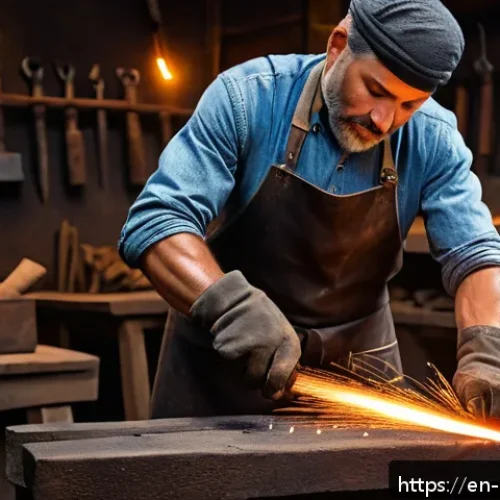
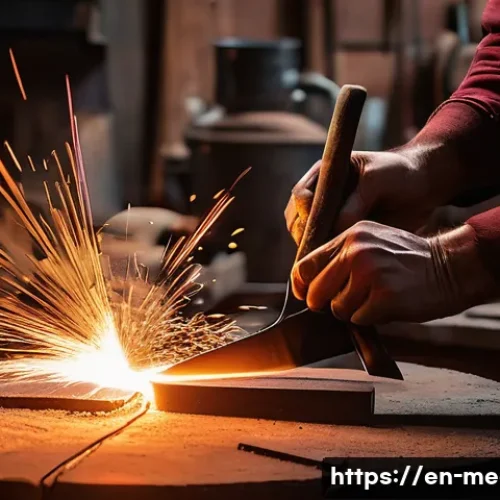
As metalworking evolved, forging became a central technique. Heating metal and then hammering it into shape allowed for the creation of stronger and more durable items.

Blacksmiths were highly valued in their communities, creating everything from tools to weapons. The process involved heating the metal in a forge, then using hammers and anvils to gradually shape it.

This required a great deal of skill and physical strength, as well as an understanding of how the metal would react to different levels of heat and force.

The blacksmith’s ability to transform raw metal into useful and beautiful objects made them indispensable.

The Renaissance Bloom: Metal as Sculpture and Statement

The Renaissance witnessed a renewed interest in classical art and learning, and metalworking was no exception. Artists like Benvenuto Cellini elevated metalworking to new heights, creating intricate sculptures and ornate objects that showcased their technical skill and artistic vision.

Cellini’s “Perseus with the Head of Medusa,” a bronze sculpture commissioned for the Loggia dei Lanzi in Florence, is a masterpiece of Renaissance metalworking.

The sculpture is not only technically impressive but also full of drama and emotion. The fluid lines, the intricate details, and the dynamic pose of Perseus all contribute to the overall impact of the work.

It’s a testament to the artist’s ability to transform metal into a powerful and expressive medium. Goldsmithing also flourished during the Renaissance, with jewelers creating elaborate pieces for wealthy patrons.

These pieces were not just ornaments; they were status symbols, reflecting the wealth and power of their owners. The use of precious metals and gemstones, combined with intricate designs and impeccable craftsmanship, made these jewels highly sought after.

1. Gilding the Lily: Ornamentation and Surface Decoration

Surface decoration techniques, such as gilding, enameling, and inlay, added another layer of artistry to metalwork during the Renaissance. Gilding, the application of a thin layer of gold to a surface, was used to create a sense of opulence and grandeur.

Enameling, the fusion of colored glass to metal, allowed for the creation of intricate designs and vibrant colors. Inlay, the insertion of contrasting materials into the surface of the metal, added texture and visual interest.

These techniques were often combined to create stunning effects, transforming simple metal objects into works of art.

2. Master of Metals: Benvenuto Cellini and His Legacy

Benvenuto Cellini was one of the most celebrated metalworkers of the Renaissance. His autobiography provides a fascinating glimpse into the life of an artist in 16th-century Italy.

Cellini’s technical skill, his artistic vision, and his flamboyant personality made him a legend in his own time. His creations, such as the “Perseus with the Head of Medusa,” are still admired for their beauty and craftsmanship.

Cellini’s influence can be seen in the work of later metalworkers, who continued to push the boundaries of the medium.

Industrial Revolution and its Impact on Metal Arts

The Industrial Revolution brought about a monumental shift in metalworking. Mass production techniques, driven by steam power and new machinery, transformed the industry.

While some lamented the loss of traditional craftsmanship, the Industrial Revolution also opened up new possibilities for metalworking. The availability of cheaper and more readily available metals made it possible to produce metal objects on a much larger scale, leading to the rise of new industries and the creation of new products.

The development of new alloys, such as steel, also had a significant impact, providing stronger and more durable materials for construction, transportation, and manufacturing.

1. Mechanization of Craft: The Rise of Factories

The rise of factories during the Industrial Revolution fundamentally changed the way metal goods were produced. Machines replaced hand tools, and workers were organized into assembly lines.

This led to increased efficiency and lower costs, but it also meant that many traditional skills were lost. The focus shifted from individual craftsmanship to mass production, and the emphasis was on quantity rather than quality.

2. Steel Giants: The Impact of New Materials

The development of steel was one of the most important technological breakthroughs of the Industrial Revolution. Steel is stronger and more durable than iron, making it ideal for a wide range of applications.

The use of steel in construction, transportation, and manufacturing revolutionized these industries and laid the foundation for modern society.

Modern Metalwork: From Art to Functionality

Modern metalwork encompasses a wide range of styles and techniques, from minimalist designs to elaborate sculptures. Artists and designers are constantly exploring new ways to use metal, pushing the boundaries of the medium and creating innovative and thought-provoking works.

The use of new technologies, such as computer-aided design (CAD) and laser cutting, has opened up new possibilities for metalworking, allowing for the creation of complex and intricate designs that would have been impossible to achieve with traditional methods.

1. Sculpting the Future: Contemporary Metal Artists

Contemporary metal artists are using metal in exciting and innovative ways. They are creating sculptures that challenge our perceptions of space, form, and material.

These artists often incorporate found objects and industrial materials into their work, blurring the lines between art and everyday life. Their work reflects the concerns and challenges of the modern world, exploring themes such as environmentalism, social justice, and identity.

2. Form Follows Function: Metal in Design and Architecture

Metal plays a crucial role in modern design and architecture. Its strength, durability, and versatility make it an ideal material for a wide range of applications.

Metal is used in everything from skyscrapers to furniture, and its sleek and modern aesthetic is highly valued. Designers and architects are constantly experimenting with new ways to use metal, creating innovative and functional designs that enhance our lives.

Metalworking Techniques Across Eras

Here’s a summary of how metalworking techniques have evolved.

Era Dominant Techniques Common Materials Typical Products
Ancient Times Casting, hammering, simple forging Copper, gold, silver Tools, weapons, jewelry
Renaissance Gilding, enameling, intricate sculpture Bronze, precious metals Artistic sculptures, ornate jewelry
Industrial Revolution Mass production forging, steelmaking Steel, iron Machinery, structural components
Modern Era Welding, CAD-designed components, laser cutting Aluminum, steel alloys, titanium Complex structures, artistic installations

Preservation and Appreciation: The Legacy Continues

The preservation of antique metalwork is essential for understanding our history and cultural heritage. Museums and collectors play a vital role in safeguarding these objects, ensuring that they are available for future generations to study and appreciate.

The techniques used to conserve and restore metalwork are highly specialized, requiring a deep understanding of materials and methods. Appreciation of metalwork involves not only recognizing the technical skill and artistry involved in its creation but also understanding the cultural context in which it was made.

1. Museums and Collections: Guardians of the Past

Museums and private collections around the world house a vast array of metalwork objects, representing different cultures and historical periods. These collections provide a valuable resource for scholars, students, and anyone interested in learning about the history of metalworking.

Museums also play an important role in educating the public about the importance of preserving our cultural heritage.

2. The Art of Conservation: Preserving Metal for Future Generations

The conservation of metalwork is a complex and challenging task. Metal is susceptible to corrosion and other forms of degradation, and specialized techniques are needed to stabilize and restore these objects.

Conservators work to understand the materials and methods used to create metalwork, and they use this knowledge to develop appropriate conservation strategies.

The Enduring Allure of Metal

Metalwork, in all its forms, continues to captivate and inspire us. Whether it’s the intricate details of an antique piece of jewelry or the sleek lines of a modern sculpture, metal has a unique ability to capture our imagination.

The enduring allure of metal lies in its versatility, its strength, and its ability to be transformed into objects of both beauty and utility. As we continue to explore new ways to work with metal, the possibilities are endless.

Metalworking: A Journey Through TimeMetalworking is more than just a craft; it’s an art form that has shaped civilizations and left an indelible mark on human history.

From the earliest copper tools to the sleek designs of modern architecture, metal has been a constant companion, adapting to our needs and inspiring our creativity.

My own experience with metalworking began with a simple jewelry-making class, where I was immediately captivated by the transformative power of fire and hammer.

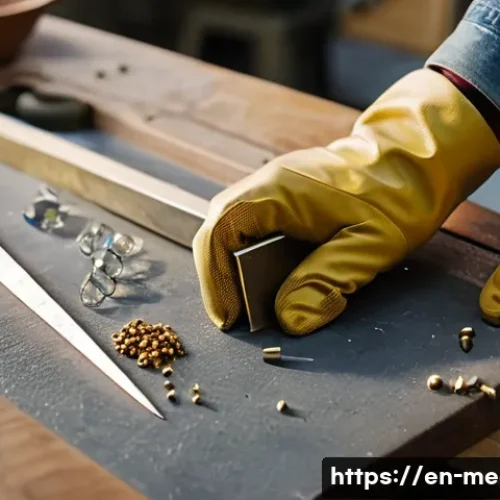
The ability to take a simple piece of wire and turn it into something beautiful and functional was incredibly satisfying. Over the years, I’ve dabbled in various techniques, from soldering delicate silver chains to forging rustic iron hooks, each project deepening my appreciation for the skill and artistry involved.

The journey through metalworking’s rich history is not just about techniques and materials; it’s about understanding the human ingenuity that has driven its evolution.

1. The Crucible of Innovation: Early Metalworking Techniques

The dawn of metalworking saw artisans using simple techniques but showing extraordinary creativity. The discovery of fire enabled the melting and shaping of metals, leading to the creation of essential tools and decorative items.

2. Forging Ahead: The Art of Shaping Metal

Forging became a central technique as metalworking evolved, with blacksmiths holding high value in their communities. Heating and hammering metal into shape allowed for the creation of robust tools and weapons.

The Renaissance Bloom: Metal as Sculpture and Statement

The Renaissance brought renewed interest in classical art, elevating metalworking through intricate sculptures and ornate objects. Artists like Benvenuto Cellini pushed the boundaries of metal artistry, creating masterpieces that showcased both technical skill and artistic vision.

I remember seeing Cellini’s “Perseus with the Head of Medusa” in Florence and being completely awestruck by the detail and dynamism of the sculpture. It’s a truly remarkable piece that embodies the spirit of the Renaissance.

The intricate surface decoration and the use of precious metals transformed metal objects into coveted works of art, reflecting the wealth and power of their owners.

1. Gilding the Lily: Ornamentation and Surface Decoration

During the Renaissance, gilding, enameling, and inlay added new layers of artistry to metalwork. These techniques transformed simple objects into works of art with vibrant colors and intricate designs.

2. Master of Metals: Benvenuto Cellini and His Legacy

Benvenuto Cellini, a celebrated metalworker of the Renaissance, left a lasting legacy. His autobiography provides a fascinating glimpse into the life of an artist in 16th-century Italy, inspiring generations of metalworkers.

Industrial Revolution and its Impact on Metal Arts

The Industrial Revolution marked a significant transformation in metalworking, introducing mass production techniques and new machinery. This era saw the rise of factories and the mechanization of craft, leading to increased efficiency and lower costs.

My grandfather worked in a steel mill during this time, and he often spoke of the incredible heat and noise of the factory floor. He was proud of the work he did, but he also lamented the loss of traditional craftsmanship.

1. Mechanization of Craft: The Rise of Factories

The rise of factories fundamentally changed metal goods production. Machines replaced hand tools, organizing workers into assembly lines, which increased efficiency but diminished traditional skills.

2. Steel Giants: The Impact of New Materials

Steel development marked a technological breakthrough during the Industrial Revolution. Its strength and durability revolutionized industries from construction to transportation, laying the groundwork for modern society.

Modern Metalwork: From Art to Functionality

Modern metalwork embraces diverse styles and techniques, from minimalist designs to elaborate sculptures, continually exploring new ways to use metal.

The integration of technologies like CAD and laser cutting has unlocked new possibilities, creating complex and intricate designs previously unattainable.

I recently saw an exhibition of contemporary metal sculptures that incorporated recycled materials, and I was struck by the artists’ ability to transform discarded objects into works of art.

It’s a testament to the versatility and adaptability of metal as a medium.

1. Sculpting the Future: Contemporary Metal Artists

Contemporary metal artists innovate by creating sculptures that challenge perceptions of space, form, and material. Their work often incorporates found objects and industrial materials, reflecting modern concerns and challenges.

2. Form Follows Function: Metal in Design and Architecture

Metal plays a crucial role in modern design and architecture, valued for its strength, durability, and sleek aesthetic. It’s used in skyscrapers to furniture, with designers and architects constantly experimenting with new applications.

Metalworking Techniques Across Eras

Here’s a summary of how metalworking techniques have evolved.

Era Dominant Techniques Common Materials Typical Products
Ancient Times Casting, hammering, simple forging Copper, gold, silver Tools, weapons, jewelry
Renaissance Gilding, enameling, intricate sculpture Bronze, precious metals Artistic sculptures, ornate jewelry
Industrial Revolution Mass production forging, steelmaking Steel, iron Machinery, structural components
Modern Era Welding, CAD-designed components, laser cutting Aluminum, steel alloys, titanium Complex structures, artistic installations

Preservation and Appreciation: The Legacy Continues

Preserving antique metalwork is vital for understanding our history and cultural heritage. Museums and collectors safeguard these objects, ensuring they are available for study and appreciation by future generations.

1. Museums and Collections: Guardians of the Past

Museums and private collections worldwide house diverse metalwork objects, representing different cultures and historical periods, offering valuable resources for scholars and enthusiasts alike.

2. The Art of Conservation: Preserving Metal for Future Generations

Conserving metalwork is complex and challenging. Conservators use specialized techniques to stabilize and restore these objects, understanding their materials and creation methods to develop appropriate strategies.

The Enduring Allure of Metal

Metalwork, in its myriad forms, continues to captivate and inspire, embodying both beauty and utility. The journey through metalworking’s history is a testament to human innovation and creativity, and I’m excited to see what the future holds for this enduring art form.

In Conclusion

From ancient tools to modern art, metalworking tells a compelling story of human ingenuity. Its ability to adapt and transform makes it a timeless craft, continually reinventing itself across eras.

Whether you’re a seasoned artisan or a curious beginner, the world of metalworking offers endless opportunities for exploration and creativity.

The blend of technical skill and artistic expression is what makes metalworking so rewarding, and I encourage anyone with an interest to delve into this fascinating world.

As we look to the future, metalworking will continue to evolve, blending tradition with innovation to create new and exciting possibilities.

Useful Information

1. Local Metal Suppliers: Find local suppliers for metals like steel, aluminum, and copper in your area to reduce shipping costs and support local businesses. Check online directories or ask local metalworkers for recommendations. In the US, companies like Alro Steel and Metal Supermarkets are popular choices.

2. Welding Classes: Many community colleges and vocational schools offer welding classes for beginners. These classes provide hands-on experience and teach essential safety practices. Look for certified welding programs in your state. For example, the American Welding Society (AWS) offers certifications and resources.

3. Metal Recycling Centers: Locate nearby metal recycling centers to dispose of scrap metal responsibly and potentially earn some money. These centers often accept a variety of metals, including aluminum, steel, and copper. Websites like Earth911 can help you find recycling centers in your area.

4. Local Craft Fairs: Participate in local craft fairs and markets to showcase and sell your metalwork creations. This is a great way to connect with customers, get feedback on your work, and build your brand. Research local craft fairs and markets in your community through event listing websites or local artisan guilds.

5. Metal Art Galleries: Visit local metal art galleries to see the work of established metal artists and gain inspiration for your own projects. Many galleries also offer workshops and classes. Check local arts council websites or search online for metal art galleries in your city.

Key Takeaways

Metalworking has evolved from ancient techniques to modern methods, showcasing human creativity and innovation.

The Renaissance saw metal elevated to an art form through intricate sculptures and ornamentation.

The Industrial Revolution transformed metalworking with mass production and new materials like steel.

Modern metalwork combines art and functionality, integrating new technologies like CAD and laser cutting.

Preserving antique metalwork and supporting contemporary metal artists are essential for continuing this rich legacy.

Frequently Asked Questions (FAQ) 📖

Q: I’ve seen some incredible metalwork in museums, but how did they even begin to shape metal thousands of years ago without modern tools?

A: Honestly, it’s mind-blowing when you think about it! Early metalworkers were absolute masters of ingenuity. They started with basic techniques like hammering, annealing (heating and cooling to make the metal more workable), and casting using molds made of clay or stone.
Imagine melting copper or bronze in a primitive furnace using charcoal – talk about a labor of love! The level of precision they achieved with these rudimentary methods is just astonishing.
My grandfather was a blacksmith, and even with his modern tools, he’d marvel at some of the ancient pieces. He always said, “They had more patience back then, that’s for sure!”

Q: Beyond just practical objects like tools and weapons, what made metal so appealing for creating art throughout history? Was it simply the durability?

A: It’s much more than just durability, although that’s definitely a factor! Think about the inherent qualities of metal: its shine, its ability to hold incredibly fine details, and the sheer range of colors and textures you can achieve with different alloys and surface treatments.
Plus, there’s a certain prestige that has always been associated with metal, especially precious metals like gold and silver. You see it in everything from Renaissance sculptures to Art Deco jewelry – metal allows artists to create pieces that are both visually stunning and incredibly enduring.
I remember seeing a solid gold mask from ancient Egypt once, and it just radiated power and artistry. It really drove home how metal transcends mere functionality.

Q: Is there any specific metalworking technique from a particular era that you find particularly fascinating or impressive, and why?

A: Oh, definitely the lost-wax casting process! I was lucky enough to see it demonstrated at a historical reenactment fair last summer, and it’s just incredible.
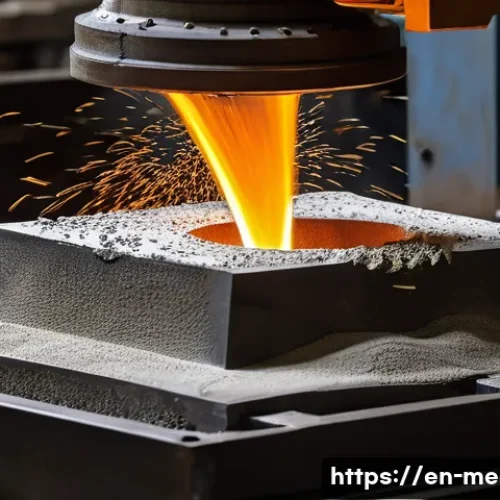
Basically, you create a wax model of whatever you want to cast, then you coat it in clay to make a mold. The wax is melted out (hence, “lost wax”), and molten metal is poured into the void.
Once it cools, you break the mold to reveal the finished piece. The level of detail you can achieve with this method is just breathtaking – it was used to create everything from intricate bronze sculptures in ancient Greece to incredibly detailed jewelry in the Renaissance.
The precision and artistry involved are just amazing, especially considering the limitations of the tools they had available. It’s a technique that truly highlights the artistry and skill of metalworkers throughout history.