Have you ever gazed at a stunning piece of jewelry or a unique home accent and found yourself wondering not just about its beauty, but also the story behind its creation?
Lately, I’ve been absolutely captivated by the incredible transformation happening in the world of metal crafts, especially as artisans increasingly embrace eco-friendly materials.
It’s truly inspiring to witness how creativity is intertwining with a deep commitment to our planet. I recently visited a charming local studio that was showcasing rings made from recycled electronic components and sculptures crafted from reclaimed industrial metals.
It immediately struck me that this isn’t just about crafting something aesthetically pleasing anymore; it’s about making a profound statement. We’re living in an era where conscious consumerism is rapidly gaining momentum, and people, myself included, are actively seeking out products that resonate with their values.
This isn’t merely a passing fad; it’s a powerful shift towards mindful living that’s reshaping everything from fashion to interior design, and metalwork is definitely leading the charge.
From the exciting innovations in sourcing sustainable metals to the ingenious ways artists are minimizing waste, the landscape of metal artistry is evolving right before our eyes.
If you’re as fascinated as I am by how ancient techniques are merging with cutting-edge sustainable practices, and you’re keen to discover some amazing insights into truly eco-conscious creations, then you are absolutely in the right spot!
Let’s dive deeper into this fascinating world and explore it together.
The Green Glow of Sustainable Craftsmanship
I’ve always been drawn to pieces that tell a story, and lately, the most compelling narratives I’ve encountered are woven into metal creations that embrace sustainability.
It’s not just about the gleam of polished silver or the intricate twists of copper; it’s about the journey these materials take, from their past life to their current artistic expression.
When I first started noticing this trend, I honestly thought it might be a niche, fleeting thing, but after diving deeper, I realized it’s a powerful movement driven by passionate artisans and conscious consumers alike.
There’s a distinct satisfaction that comes from knowing the stunning necklace you’re wearing didn’t contribute to environmental degradation, or that the beautiful sculpture adorning your living room gave new purpose to something discarded.
This shift feels incredibly personal, a quiet revolution in our consumption habits that impacts everything from how we furnish our homes to the gifts we choose for loved ones.
It’s inspiring to see how creativity can truly go hand-in-hand with environmental responsibility, crafting not just objects, but a better future.
Breathing New Life into Old Treasures
One of the most captivating aspects of eco-friendly metal craft is the incredible ingenuity involved in repurposing materials. Forget simply melting down old jewelry; we’re talking about artists who transform forgotten scraps, industrial waste, and even electronic components into breathtaking new forms.
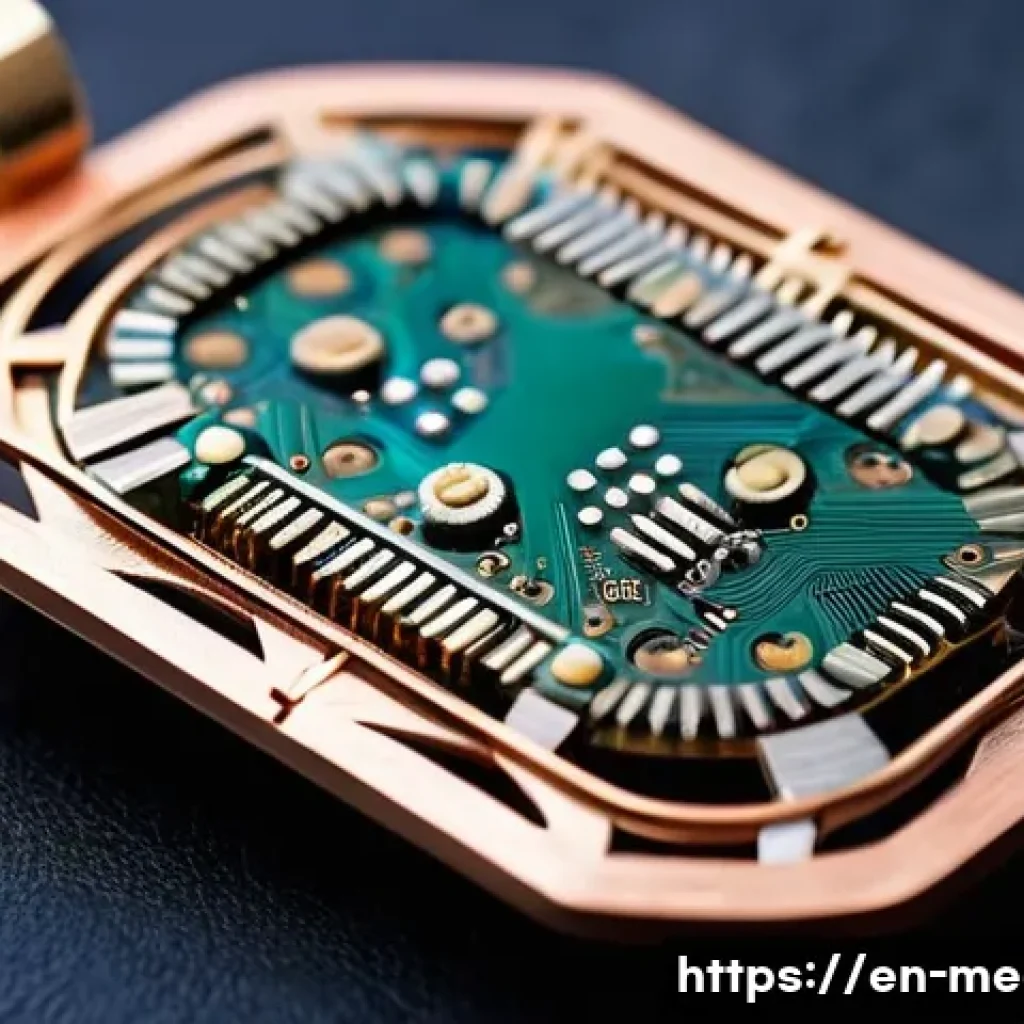
I once saw a ring made from a salvaged circuit board, intricately cut and polished, that was more beautiful and unique than any mass-produced piece I’d encountered.
It felt like holding a piece of history, reimagined. This isn’t just about reducing waste; it’s about seeing potential where others see trash, and that artistic vision is what truly excites me.
The Ethical Edge: Why Sourcing Matters
Beyond the joy of upcycling, the ethical sourcing of virgin metals is another huge win for sustainability. Many incredible jewelers and metal artists are now committed to using only recycled gold, silver, and other precious metals, or those certified as ethically mined.
This means less new mining, which often comes with a heavy environmental and social cost. When I’m shopping, I actively seek out designers who are transparent about their material origins.
It gives me such peace of mind to know that my purchase supports practices that protect both the planet and the people involved in the supply chain.
Beyond the Scrap Heap: Artisans Redefining Materials
It’s truly astounding to witness how artists are looking at what we conventionally consider “waste” and seeing a canvas for something magnificent. My first real “aha!” moment with this kind of artistry happened at a small pop-up market in Brooklyn.
I stumbled upon a stall displaying the most striking earrings – they looked almost like tiny, polished architectural fragments. The artist explained that they were crafted from discarded aluminum cans, meticulously cut, shaped, and anodized.
My jaw literally dropped. I had always thought of aluminum cans as just, well, cans. To see them elevated to such a high level of artistry completely shifted my perspective on what’s possible with reclaimed materials.
It’s this kind of innovative thinking that makes me so optimistic about the future of crafting and our planet. This isn’t just about being “green” in a token way; it’s about fundamentally changing how we value resources and encouraging a circular economy where materials are seen as endlessly valuable.
From E-Waste to Elegant Adornments
E-waste, or electronic waste, is a massive global problem, but some brilliant minds are turning it into art. Imagine wearing a pendant crafted from the intricate, colorful components of an old computer motherboard, or cufflinks fashioned from tiny gears and springs from vintage watches.
I’ve even seen artists incorporating discarded smartphone screens into stunning mixed-media pieces. It’s incredibly cool because not only are these items unique conversation starters, but they actively divert harmful materials from landfills.
I love that each piece carries a hidden narrative of technology and transformation.
Industrial Remnants, Artistic Renaissance
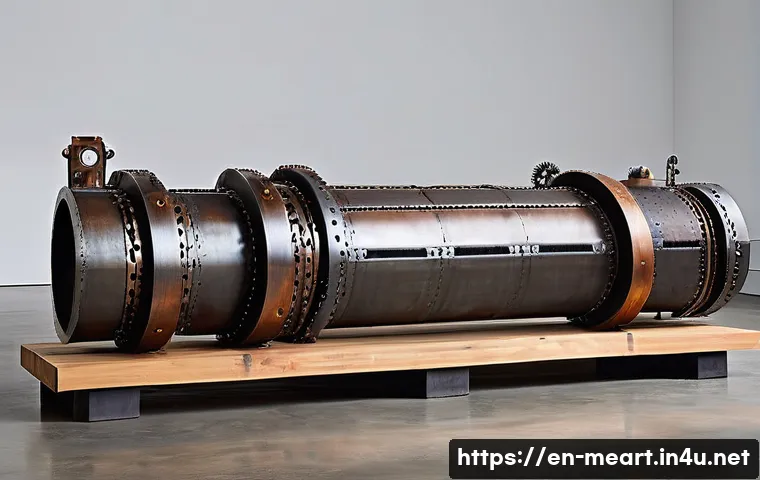
Another fascinating area is the use of industrial remnants. Think about the offcuts from metal fabrication shops, the leftover pipes, gears, and plates that would otherwise be discarded.
Artists are taking these robust, often overlooked pieces and transforming them into stunning sculptures, furniture, and even intricate jewelry. I recently saw a coffee table with a base made from reclaimed steel pipes, welded together into a dynamic, industrial-chic form.
It had so much character and a story you could feel just by looking at it. This approach doesn’t just reduce waste; it celebrates the inherent beauty and strength of these materials, giving them a second, more artistic life.
The Eco-Friendly Forge: Innovations in Metalworking
The commitment to sustainability extends far beyond just the materials themselves; it’s deeply ingrained in the entire metalworking process. Artisans are increasingly adopting practices that minimize their environmental footprint, from the energy they consume to the chemicals they use.
When I visited a local studio last year, the artist walked me through their ventilation system, explaining how they filter out harmful fumes, and showed me their system for recycling water used in finishing processes.
It really opened my eyes to the meticulous attention to detail these creators are putting into every step. It’s not just about the final product; it’s about ensuring the entire creation journey aligns with their values.
This comprehensive approach gives me immense respect for the craft and makes me feel even better about supporting these businesses.
Reducing Waste, Maximizing Beauty
Minimizing waste during the actual creation process is paramount. Many sustainable metal artists employ techniques that reduce scrap, like carefully planning cuts or using computer-aided design to optimize material usage.
They also meticulously collect and recycle any metal dust or shavings that are inevitably produced. This closed-loop system ensures that even the tiniest fragments of precious metals don’t go to waste, which is not only environmentally sound but also economically smart.
It’s a testament to their dedication to both their craft and the planet.
Water Wise and Energy Smart Workshops
Modern metalworking, especially in smaller studios, is becoming incredibly energy and water efficient. Artisans are investing in energy-efficient tools, utilizing solar power where possible, and implementing water recycling systems for processes like cleaning and polishing.
Some even use non-toxic alternatives to traditional chemicals, further reducing their environmental impact. This thoughtful approach creates a healthier working environment for the artisans themselves and ensures that their beautiful creations aren’t leaving a hidden environmental cost.
Investing in Tomorrow: Why Sustainable Metal Arts are More Than Just Pretty
Choosing a piece of sustainable metal art isn’t just about acquiring something beautiful; it’s an investment in a future where creativity and environmental responsibility are seamlessly intertwined.
Every purchase you make from an eco-conscious artisan sends a clear message to the wider industry: consumers care about how products are made and where their materials come from.
It’s a powerful way to vote with your wallet and support a movement that prioritizes the planet. I’ve personally found that these pieces often carry a deeper sense of meaning and value, not just because of their unique design, but because of the ethical story they embody.
It’s a subtle yet profound shift in how we approach consumerism, moving away from disposable trends towards lasting, meaningful objects.
The True Value of Conscious Creations
The value of sustainable metal art isn’t solely in its aesthetic appeal. It lies in the craftsmanship, the story of the reclaimed materials, and the ethical practices of the artist.
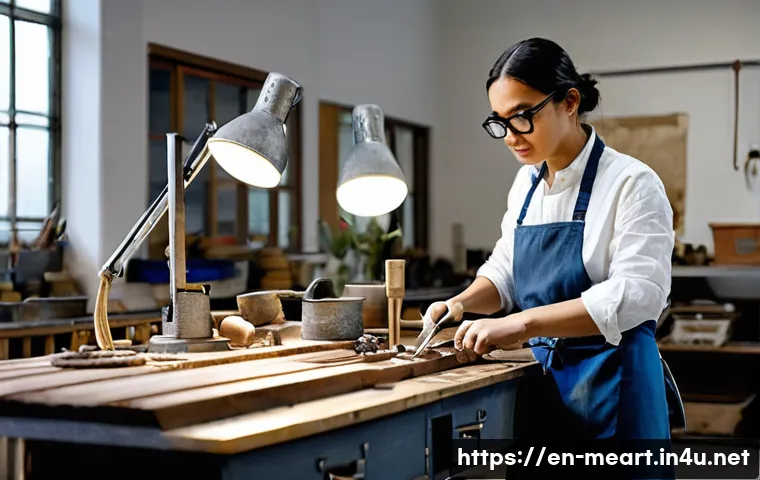
When you wear a piece made from recycled silver or display a sculpture crafted from salvaged industrial parts, you’re not just showcasing art; you’re showcasing your values.
These pieces often spark conversations, allowing you to share the inspiring story behind them and perhaps even encourage others to consider more sustainable choices in their own lives.
It’s a ripple effect that starts with a single, conscious purchase.
Supporting a Sustainable Future, One Piece at a Time
By choosing sustainable metal art, you’re directly contributing to a healthier planet. You’re supporting artists who are actively working to reduce waste, conserve resources, and minimize pollution.
You’re helping to foster innovation in material sourcing and production methods. And perhaps most importantly, you’re becoming part of a growing community of individuals who believe that beauty and ethics don’t have to be mutually exclusive.
It’s incredibly empowering to know that your choices can make a tangible difference, one exquisite, eco-friendly creation at a time.
Finding Your Spark: Discovering Eco-Conscious Metal Artists
If you’re anything like me, after learning about all these amazing innovations, you’re probably eager to find some of these incredible artists and bring their creations into your life!
The good news is that the sustainable art movement is growing, and it’s easier than ever to discover talented individuals who are passionate about their craft and the planet.
I’ve spent countless hours scrolling through online galleries and wandering through local markets, always on the lookout for that next unique piece that speaks to me.
It’s like a treasure hunt, but instead of gold, you’re finding ethical, beautiful art that truly makes a difference. Don’t be shy about asking questions when you find an artist whose work you admire; most are incredibly proud to share their process and material sourcing.
Online Marketplaces for Ethical Finds
There are a fantastic number of online platforms specifically dedicated to showcasing handmade and ethically sourced goods. Sites like Etsy (where many independent artists have shops), Uncommon Goods, and even some dedicated ethical jewelry sites have curated selections of metal art that prioritize sustainability.
I love browsing these sites because they often provide detailed descriptions of the materials and processes, so you can make informed decisions. It’s a great way to discover artists from all over the world, bringing diverse aesthetics and stories right to your doorstep.
Local Gems and Community Studios
Don’t overlook the incredible talent right in your own community! Visiting local art fairs, farmers’ markets with craft sections, and independent galleries is a wonderful way to connect directly with artisans.
Not only do you get to see their work up close and personal, but you also have the chance to chat with them, hear their stories, and understand their commitment to sustainable practices.
I’ve found some of my most cherished pieces at these local events, and there’s something truly special about supporting a small business owner in your neighborhood.
My Journey into Mindful Metal Mania
Honestly, my path to appreciating sustainable metal art wasn’t an overnight revelation. It was a gradual unfolding, a series of small discoveries that built into a real passion.
Initially, I was simply drawn to the unique aesthetics—the rugged charm of reclaimed metals or the delicate intricacy of recycled silver. But the more I learned about the environmental impact of traditional manufacturing and the incredible efforts artists were making to innovate, the more deeply connected I felt to these pieces.
It transformed my entire approach to shopping, pushing me to look beyond fleeting trends and seek out items with genuine integrity and a positive story.
This shift has brought so much more joy and meaning to my purchases, making every unique item I own feel like a personal statement of my values.
The Joy of Discovering Unique Pieces
There’s a distinct thrill that comes with finding a piece of metal art that you know is not only beautiful but also ethically made. It’s not just another item; it’s a conversation starter, a tiny act of rebellion against mass production, and a celebration of human ingenuity.
I have a pair of earrings made from vintage watch gears that I absolutely adore. Every time I wear them, someone asks about them, and I get to share the story of the artist who transforms tiny, discarded mechanisms into wearable art.
That connection, that narrative, makes the piece infinitely more precious to me.
A Shift in My Own Shopping Habits
This deep dive into sustainable metal art has profoundly impacted my own consumer habits. I find myself much more mindful of where products come from, how they’re made, and what their true impact is.
I’m no longer interested in fast fashion or disposable goods. Instead, I seek out quality, craftsmanship, and ethical sourcing, even if it means saving up a little longer for a special piece.
It’s a rewarding journey that has filled my home and my wardrobe with items that not only look good but also *feel* good to own.
| Sustainable Metal Art Category | Materials Often Used | Key Environmental Benefits |
|---|---|---|
| Upcycled Jewelry | Recycled silver, gold, copper, brass; repurposed electronic components (e-waste), vintage watch parts, aluminum cans. | Reduces demand for new mining, diverts waste from landfills, minimizes pollution associated with raw material extraction. |
| Reclaimed Metal Sculptures | Salvaged industrial scrap metal, architectural salvage, car parts, discarded tools. | Gives new life to otherwise waste materials, reduces energy consumption compared to virgin metal production. |
| Ethically Sourced & Recycled New Works | Certified recycled precious metals (e.g., SCS Global Services), conflict-free metals. | Ensures no new mining impact, supports responsible labor practices, minimizes environmental harm in the supply chain. |
| Art from Industrial By-products | Metal offcuts from manufacturing, foundry discards, leftover sheet metal. | Transforms waste into valuable art, reduces landfill burden, encourages circular economy principles. |
Wrapping Things Up
Stepping into the world of sustainable metal craftsmanship has been an absolute game-changer for me, and honestly, for how I view everything from fashion to home decor. It’s not just about finding beautiful objects anymore; it’s about uncovering stories, celebrating ingenuity, and actively participating in a movement that genuinely makes our planet a better place. The journey from discarded scrap to exquisite art is nothing short of magical, and every piece I’ve collected carries a deeper meaning, a quiet testament to conscious creation. I truly believe that by choosing to support these incredible artisans, we’re not just making a purchase; we’re making a statement, pushing for a future where beauty, ethics, and environmental responsibility are inextricably linked. It’s an empowering feeling, knowing that your choices can ripple outwards, inspiring change and fostering a more mindful approach to consumption.
Useful Information to Know
1. When you’re searching for sustainable metal art online or in person, always keep an eye out for transparency from the artist. Legitimate eco-conscious creators are usually very proud to share their sourcing methods, whether it’s certified recycled metals, salvaged industrial components, or repurposed e-waste. Don’t hesitate to ask questions; their passion for sustainability is often a huge part of their brand story.
2. Beyond the raw materials, consider the artist’s overall workshop practices. Many are adopting energy-efficient tools, using non-toxic chemicals for finishing, and even implementing water recycling systems to minimize their environmental footprint. Supporting these holistic approaches means your purchase contributes to a healthier production cycle from start to finish, reflecting a true commitment to sustainable craftsmanship.
3. Don’t underestimate the power of local artisans and small businesses. Community art fairs, independent boutiques, and online marketplaces like Etsy are brimming with talented individuals who pour their heart and soul into creating unique, sustainable pieces. Buying directly often ensures more of your money goes to the artist, fostering local economies and allowing you to connect personally with the creator and their ethos.
4. Think about the longevity and timelessness of sustainable metal art. Unlike fast-fashion jewelry or mass-produced decor that quickly goes out of style, these handcrafted pieces often possess an inherent durability and classic appeal. Investing in something well-made from recycled or reclaimed materials means you’re acquiring an item designed to last, reducing your overall consumption and contributing to a more circular economy.
5. Consider how your sustainable art purchase can spark conversations. A unique necklace made from circuit board components or a sculpture crafted from reclaimed steel is often an immediate talking point. This gives you a fantastic opportunity to share the story behind the piece and educate others about the benefits and beauty of eco-friendly craftsmanship, potentially inspiring them to make more conscious choices too.
Key Takeaways
To truly embrace the movement of sustainable metal craftsmanship, remember that every choice you make has an impact, and it’s a wonderful opportunity to align your purchases with your values. These aren’t just aesthetically pleasing items; they are tangible symbols of innovation, ethical production, and environmental stewardship. By consciously seeking out artists who prioritize recycled, upcycled, and ethically sourced metals, you are directly contributing to a reduction in waste, a decrease in new mining efforts, and the fostering of healthier, more responsible industry practices. It’s about investing in the planet, supporting incredible human talent, and bringing meaningful, story-rich pieces into your life that you can cherish for years to come.
Frequently Asked Questions (FAQ) 📖
Q: What exactly makes a metal craft “eco-friendly,” and how can I tell the difference from traditional pieces?
A: That’s a fantastic question and one I get asked a lot! From my experience, an “eco-friendly” metal craft goes beyond just looking beautiful; it’s about the entire lifecycle of the piece.
Think about it: traditional metalwork often relies on newly mined metals, which can have a huge environmental footprint due to extraction processes. But with eco-friendly crafts, artists are usually working with recycled metals – like turning old sterling silver into new jewelry, or repurposing industrial scraps and even discarded electronics into stunning sculptures.
When I pick up a piece, I’m looking for signs of thoughtful sourcing. Does the artisan talk about using recycled gold or ethically sourced silver? Are they minimizing waste in their workshop, perhaps even reusing polishing dust?
I’ve personally seen some incredible artists who melt down old, forgotten pieces and transform them into something completely new, giving the material a second, vibrant life.
You can often tell by the story the artist shares, their transparency about materials, and sometimes, the unique character that reclaimed materials bring to the final product.
It’s not just a trend; it’s a conscious choice that feels good to support.
Q: Are eco-friendly metal crafts less durable or more expensive than items made with newly sourced metals?
A: This is a common concern, and honestly, it’s a total myth that eco-friendly means lower quality! In my personal opinion and from everything I’ve seen, it’s quite the opposite.
Recycled metals, for example, often maintain the same chemical properties and strength as newly mined ones. When a skilled artisan works with recycled sterling silver or gold, the finished product is just as durable, if not more so, because these pieces are often handcrafted with incredible attention to detail and longevity in mind.
I’ve worn my own recycled silver ring daily for years, and it still looks fantastic. As for price, yes, sometimes the initial cost can be a little higher.
This usually reflects the artisan’s commitment to ethical sourcing, fair labor practices, and the often more intricate, less mass-produced nature of their work.
Think of it as investing in not just a beautiful object, but also in sustainable practices and a unique, handcrafted story. In the long run, I find that these pieces often become cherished heirlooms, truly standing the test of time, both aesthetically and in terms of their ethical value.
Q: I’m really keen to support this movement! How can I find genuinely eco-conscious metal artisans and avoid “greenwashing” when shopping?
A: That’s awesome that you want to be a conscious consumer – you’re exactly the kind of person making a real difference! It can be a bit tricky to navigate, but from my own hunting and gathering, I’ve got a few tips.
First, look for transparency. Reputable eco-conscious artisans are usually very open about their materials and processes. Check their websites or product descriptions for details about recycled content, ethical sourcing certifications (like Fairmined or SCS Recycled Content), and their waste reduction efforts.
I always get a good feeling when I see an artist clearly explaining their commitment. Second, local markets and independent boutiques are goldmines! You can often chat directly with the maker, hear their story, and truly understand their passion for sustainability.
I’ve stumbled upon some incredible finds this way. Third, don’t be afraid to ask questions! A true eco-artisan will be excited to share their journey and knowledge.
And finally, follow your gut. If something feels a bit too good to be true or lacks specific details, it might be a sign to dig a little deeper or move on.
Trust me, finding that perfect, truly sustainable piece is so much more rewarding!