Hey there, fellow creators and design enthusiasts! Have you ever paused to truly appreciate the incredible versatility and raw beauty of metal? It’s a material that has shaped our world, from towering cityscapes to intricate jewelry, and it truly holds a special place in my heart.
I’ve always been fascinated by how a seemingly rigid element can be transformed into something so fluid, so expressive, and utterly breathtaking. It’s not just about bending and shaping; it’s about understanding the soul of the material, the principles that guide its transformation into a masterpiece.
Lately, I’ve been diving deep into the exciting evolution of metal craft, and what I’ve discovered is mind-blowing! We’re seeing a phenomenal blend of age-old artistry with cutting-edge innovations, like sustainable alloys and mind-bending 3D printing techniques that let designers conjure up geometries we could only dream of before.
The future of metal design is all about embracing these advancements while never losing sight of the foundational principles that make a piece truly resonate.
Whether it’s the sleek lines of modern architecture or a delicate, abstract sculpture for your living space, knowing these core tenets is what elevates a project from ‘good’ to ‘wow.’ It’s about creating pieces that are not only visually stunning but also tell a story, connect with us, and stand the test of time, both aesthetically and environmentally.
Ready to unlock the secrets behind crafting metal designs that truly sing? We’re going to explore all the juicy details and share some incredible insights.
Let’s dive deeper and precisely uncover the principles that are driving the most innovative and beautiful metalwork today.
Alright, buckle up, design aficionados! Let’s dive headfirst into the core principles that are shaping the most stunning metalwork out there. From the hottest finishes to the coolest techniques, we’re uncovering the secrets to creating metal designs that truly shine.
Embracing Sustainability with Eco-Friendly Alloys
The design world is becoming increasingly eco-conscious, and metalwork is no exception. Designers are now turning to sustainable alloys, which incorporate recycled metals and are engineered for high recyclability, to meet the growing demand for environmentally responsible choices.
For example, using sustainable steel can cut energy consumption by up to 50% compared to traditional methods, significantly slashing greenhouse gas emissions.
This move not only reduces environmental impact but also adds a unique story and character to each piece.
The Rise of Recycled Metals
Recycled metals like aluminum and brass are gaining popularity, offering a perfect mix of style and sustainability. In fact, over 70% of aluminum used in the automotive sector comes from recycled sources.
Waste Reduction Techniques
Modern metal fabrication pioneers waste reduction through material efficiency. Techniques like laser cutting and CNC machining achieve higher precision to optimize material usage, while scrap metal processing enables better sorting and cleaning for high-quality material reuse.
The Art of Mixing Metals
Forget the days of sticking to just one metal finish! In 2025, it’s all about mixing metals to create visual interest and a sense of luxury. Combining materials like brass, bronze, and stainless steel adds a rich, layered look and allows for greater flexibility in matching metalwork with other design elements, such as wood or stone.
Warm Metallics Take Center Stage
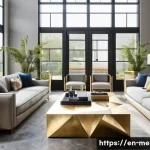
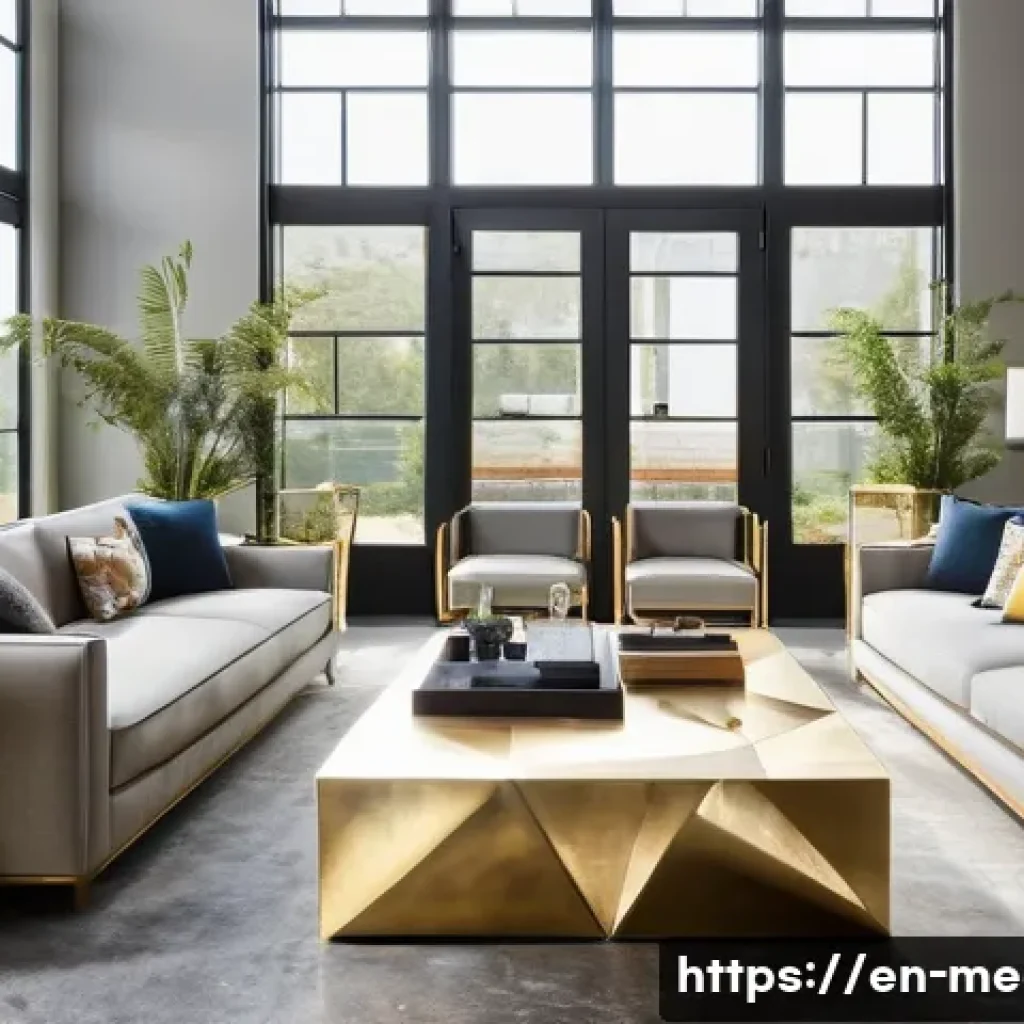
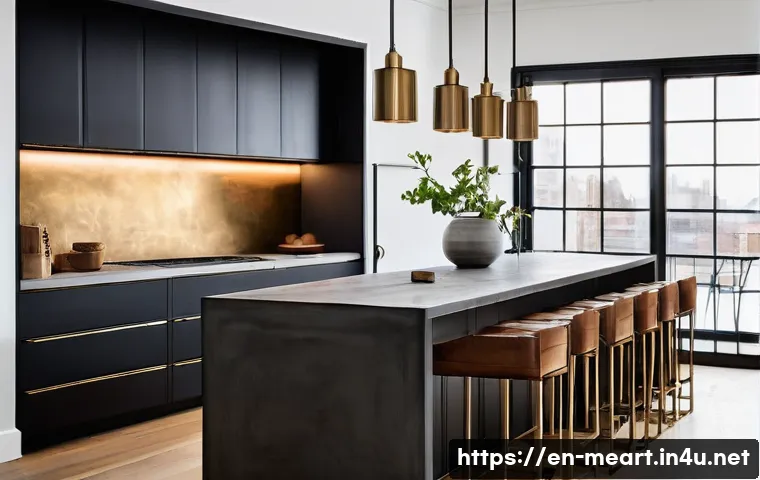
Warm metallics like brass are taking center stage. Designers are increasingly using brass for everything from cabinet inserts to decorative accents, adding a touch of glamour to everyday spaces.
The golden tones of brass create a luxurious yet inviting aesthetic, making it a popular choice for both modern and traditional designs.
Bold and Dramatic Finishes
For a more contemporary look, matte black is dominating the market, creating sleek, dramatic accents that pair beautifully with minimalist designs. Pewter is also making waves, offering a soft, silvery-gray tone that provides a sophisticated alternative to traditional silver or chrome finishes.
The Magic of Metal 3D Printing
Metal 3D printing, also known as additive manufacturing, is revolutionizing the way metal parts are created. This technique builds objects layer by layer from metal powders or wires, allowing for the creation of complex geometries that traditional methods cannot achieve.
It’s commonly used for prototyping and producing functional, end-use parts, as well as for consolidating multiple metal components into fewer parts within an assembly.
Benefits of Metal 3D Printing
Metal 3D printing offers numerous benefits, including greater design flexibility, reduced material waste, and faster production times compared to traditional manufacturing methods.
It’s also highly advantageous for mass production due to its efficiency and scalability, making it ideal for producing complex geometries, custom parts, and small batches.
Metal 3D Printing Techniques
* Metal Powder Bed Fusion: This process uses a laser or electron beam to fuse metal powders into a solid structure, offering high precision and is increasingly used in aerospace and medical device manufacturing.
* Directed Energy Deposition: This technique deposits metal material onto a substrate using a focused energy source and is ideal for repairing and adding features to existing components.
Textures and Finishes That Wow
Texture is becoming an essential element in decorative design, and we’re now seeing it take root in metalwork. Finishes like Venetian plasters and limewash paints are being mirrored in the world of metal, with textured surfaces that invite touch and add an organic feel.
This tactile approach not only brings depth to spaces but also enhances the overall sensory experience.
Advanced Surface Treatment Techniques
* Pulsed Plasma Nitriding: This technique enhances the surface hardness and wear resistance of metals by introducing nitrogen into the surface layer through a pulsed plasma field.
* Laser Surface Hardening: Using a laser to rapidly heat the surface of a metal component, this method increases hardness and wear resistance without affecting the core properties.
The Rise of Corten Steel
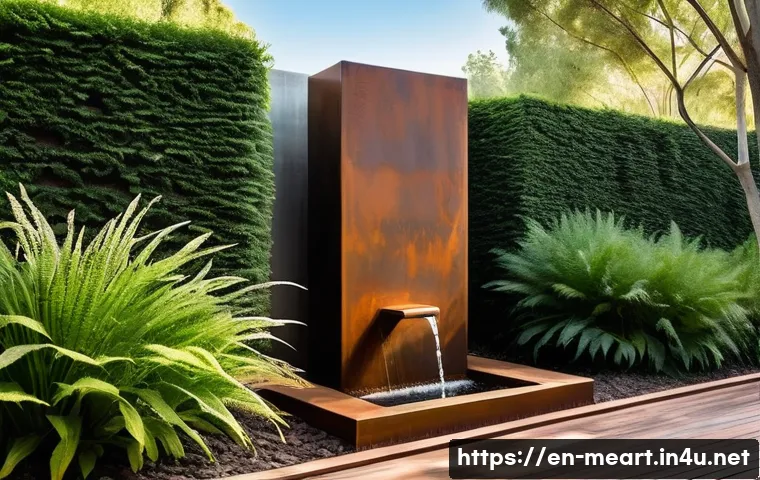
Corten steel is emerging as a protagonist in furniture and architecture design, thanks to its unique aesthetic, resistance to the elements, and durability.
Its rusty patina, which evolves over time, fits perfectly into design trends that embrace the beauty of nature and eco-sustainability. In 2025, Corten steel is increasingly used for furnishings that aim for a natural and timeless design, as well as to create building facades, external structures, and gardens, where the material integrates with the surrounding environment in a harmonious way.
Smart Manufacturing and Automation
The integration of smart technologies and automation is revolutionizing metal processing by enhancing precision, efficiency, and data-driven decision-making.
The Internet of Things (IoT) allows for real-time data collection from machinery and processes, enabling predictive maintenance and optimization of operations.
Robots are also increasingly used for tasks such as material handling, welding, and inspection, improving consistency and reducing labor costs.
Metal Design Considerations
When designing with metal, it’s important to consider factors like material thickness, bend radius, and tolerances to optimize designs for efficiency and effectiveness.
Also, designers should consider factors like material selection, bend radius, and ventilation during the fabrication process to prevent distortion and warping in sheet metal designs.
Here’s a quick rundown of some key considerations:| Consideration | Details |
| :——————— | :——————————————————————————————————————————————————– |
| Material Selection | Choose metals like steel, aluminum, copper, or brass based on strength and finish.
|
| Fabrication Techniques | Consider processes like laser cutting, punching, bending, and welding. |
| Joining Methods | Use welding, riveting, or bolting for structural stability.
|
| Finishing & Detailing | Polish, coat, or texture for both protection and aesthetics. |
| Geometry & Dimensions | Pay attention to detail and adhere to specific measurements to ensure a perfect fit.
|
| Bend Radius | Consider the minimum bend radius to avoid cracking or weakening the metal. |
| Tolerances | Understand the acceptable variations in dimensions and adjust the design accordingly.
|The world of metal design is constantly evolving, with new techniques and trends emerging all the time. By staying on top of these developments and embracing innovation, you can create metalwork that is both beautiful and functional, while also minimizing your environmental impact.
Now go forth and create something amazing! Alright, buckle up, design aficionados! Let’s dive headfirst into the core principles that are shaping the most stunning metalwork out there.
From the hottest finishes to the coolest techniques, we’re uncovering the secrets to creating metal designs that truly shine.
Embracing Sustainability with Eco-Friendly Alloys
The design world is becoming increasingly eco-conscious, and metalwork is no exception. Designers are now turning to sustainable alloys, which incorporate recycled metals and are engineered for high recyclability, to meet the growing demand for environmentally responsible choices.
For example, using sustainable steel can cut energy consumption by up to 50% compared to traditional methods, significantly slashing greenhouse gas emissions.
This move not only reduces environmental impact but also adds a unique story and character to each piece.
The Rise of Recycled Metals
Recycled metals like aluminum and brass are gaining popularity, offering a perfect mix of style and sustainability. In fact, over 70% of aluminum used in the automotive sector comes from recycled sources.
Waste Reduction Techniques
Modern metal fabrication pioneers waste reduction through material efficiency. Techniques like laser cutting and CNC machining achieve higher precision to optimize material usage, while scrap metal processing enables better sorting and cleaning for high-quality material reuse.
The Art of Mixing Metals
Forget the days of sticking to just one metal finish! In 2025, it’s all about mixing metals to create visual interest and a sense of luxury. Combining materials like brass, bronze, and stainless steel adds a rich, layered look and allows for greater flexibility in matching metalwork with other design elements, such as wood or stone.
Warm Metallics Take Center Stage
Warm metallics like brass are taking center stage. Designers are increasingly using brass for everything from cabinet inserts to decorative accents, adding a touch of glamour to everyday spaces.
The golden tones of brass create a luxurious yet inviting aesthetic, making it a popular choice for both modern and traditional designs.
Bold and Dramatic Finishes
For a more contemporary look, matte black is dominating the market, creating sleek, dramatic accents that pair beautifully with minimalist designs. Pewter is also making waves, offering a soft, silvery-gray tone that provides a sophisticated alternative to traditional silver or chrome finishes.
The Magic of Metal 3D Printing
Metal 3D printing, also known as additive manufacturing, is revolutionizing the way metal parts are created. This technique builds objects layer by layer from metal powders or wires, allowing for the creation of complex geometries that traditional methods cannot achieve.
It’s commonly used for prototyping and producing functional, end-use parts, as well as for consolidating multiple metal components into fewer parts within an assembly.
Benefits of Metal 3D Printing
Metal 3D printing offers numerous benefits, including greater design flexibility, reduced material waste, and faster production times compared to traditional manufacturing methods.
It’s also highly advantageous for mass production due to its efficiency and scalability, making it ideal for producing complex geometries, custom parts, and small batches.
Metal 3D Printing Techniques
* Metal Powder Bed Fusion: This process uses a laser or electron beam to fuse metal powders into a solid structure, offering high precision and is increasingly used in aerospace and medical device manufacturing.
* Directed Energy Deposition: This technique deposits metal material onto a substrate using a focused energy source and is ideal for repairing and adding features to existing components.
Textures and Finishes That Wow
Texture is becoming an essential element in decorative design, and we’re now seeing it take root in metalwork. Finishes like Venetian plasters and limewash paints are being mirrored in the world of metal, with textured surfaces that invite touch and add an organic feel.
This tactile approach not only brings depth to spaces but also enhances the overall sensory experience.
Advanced Surface Treatment Techniques
* Pulsed Plasma Nitriding: This technique enhances the surface hardness and wear resistance of metals by introducing nitrogen into the surface layer through a pulsed plasma field.
* Laser Surface Hardening: Using a laser to rapidly heat the surface of a metal component, this method increases hardness and wear resistance without affecting the core properties.
The Rise of Corten Steel
Corten steel is emerging as a protagonist in furniture and architecture design, thanks to its unique aesthetic, resistance to the elements, and durability.
Its rusty patina, which evolves over time, fits perfectly into design trends that embrace the beauty of nature and eco-sustainability. In 2025, Corten steel is increasingly used for furnishings that aim for a natural and timeless design, as well as to create building facades, external structures, and gardens, where the material integrates with the surrounding environment in a harmonious way.
Smart Manufacturing and Automation
The integration of smart technologies and automation is revolutionizing metal processing by enhancing precision, efficiency, and data-driven decision-making.
The Internet of Things (IoT) allows for real-time data collection from machinery and processes, enabling predictive maintenance and optimization of operations.
Robots are also increasingly used for tasks such as material handling, welding, and inspection, improving consistency and reducing labor costs.
Metal Design Considerations
When designing with metal, it’s important to consider factors like material thickness, bend radius, and tolerances to optimize designs for efficiency and effectiveness.
Also, designers should consider factors like material selection, bend radius, and ventilation during the fabrication process to prevent distortion and warping in sheet metal designs.
Here’s a quick rundown of some key considerations:| Consideration | Details |
| :——————— | :——————————————————————————————————————————————————– |
| Material Selection | Choose metals like steel, aluminum, copper, or brass based on strength and finish.
|
| Fabrication Techniques | Consider processes like laser cutting, punching, bending, and welding. |
| Joining Methods | Use welding, riveting, or bolting for structural stability.
|
| Finishing & Detailing | Polish, coat, or texture for both protection and aesthetics. |
| Geometry & Dimensions | Pay attention to detail and adhere to specific measurements to ensure a perfect fit.
|
| Bend Radius | Consider the minimum bend radius to avoid cracking or weakening the metal. |
| Tolerances | Understand the acceptable variations in dimensions and adjust the design accordingly.
|The world of metal design is constantly evolving, with new techniques and trends emerging all the time. By staying on top of these developments and embracing innovation, you can create metalwork that is both beautiful and functional, while also minimizing your environmental impact.
Now go forth and create something amazing!
Wrapping Up
As we conclude this exploration of metalwork design, it’s clear that innovation, sustainability, and a keen eye for aesthetics are driving the industry forward. From eco-friendly alloys to the magic of metal 3D printing, the possibilities are endless. I’ve personally seen these trends transform mundane spaces into showcases of modern artistry, and I’m excited to see how they continue to evolve. Keep experimenting and pushing the boundaries of what’s possible – the future of metal design is in your hands!
Cool Facts to Keep in Your Back Pocket
1. Did you know that mixing metals like brass, bronze, and stainless steel isn’t just a visual treat? It also boosts durability by leveraging each metal’s unique strengths. Using this technique has really allowed me to create pieces that last longer and look stunning.
2. Metal 3D printing is not just for prototypes anymore. High-end manufacturers are now using it to create functional, end-use parts, revolutionizing industries from aerospace to medical devices. I’ve even seen custom metal components designed and printed on demand, which is mind-blowing.
3. Corten steel’s rusty patina isn’t just for looks. It actually protects the steel from further corrosion, making it a low-maintenance and sustainable choice for outdoor applications. I remember being skeptical at first, but after seeing it in action, I’m a total convert.
4. The Internet of Things (IoT) is now a game-changer in metal processing. Real-time data collection optimizes operations and predicts maintenance needs, saving both time and money. Imagine machines that tell you when they need a check-up – we’re living in the future!
5. Sustainable steel can cut energy consumption by up to 50% compared to traditional methods. It’s an easy way to make eco-conscious choices without sacrificing quality. I started sourcing sustainable steel for my projects and haven’t looked back.
Key Takeaways
In today’s metal design landscape, a few key themes dominate. First and foremost, sustainability is no longer optional – it’s essential. Eco-friendly alloys and waste reduction techniques are becoming the norm, reflecting a broader commitment to environmental responsibility.
Secondly, mixed metals and unique textures are adding depth and character to modern designs. The combination of warm metallics with bold finishes creates visually stunning effects, while advanced surface treatments enhance both aesthetics and durability. As someone who’s always experimenting with new materials, I can attest to the transformative power of these elements.
Finally, the integration of smart manufacturing and automation is revolutionizing metal processing. From metal 3D printing to IoT-enabled machinery, these technologies are enhancing precision, efficiency, and decision-making. Keeping up with these trends is crucial for any designer looking to stay ahead of the curve. Embrace innovation, and your designs will undoubtedly shine!
Frequently Asked Questions (FAQ) 📖
Q: s about metal design!Q1: What are the fundamental principles of metal design that I should always keep in mind?
A: When you’re working with metal, always consider the material’s inherent properties like its strength, ductility, and how it reacts to heat and stress.
Understanding these characteristics informs every decision, from selecting the right alloy to determining the fabrication techniques. Also, always design with the end-use in mind; a decorative piece will have different requirements than a structural component.
I’ve learned from experience that respecting these principles leads to designs that are not only visually appealing but also structurally sound and long-lasting.
Finally, always consider the environmental impact of your material choices and processes; opting for recycled metals or eco-friendly finishing techniques can significantly reduce your carbon footprint.
Q: How can I incorporate modern techniques like 3D printing into my metal designs?
A: 3D printing, specifically Direct Metal Laser Sintering (DMLS), offers incredible design freedom, allowing for complex geometries and intricate details that were previously impossible to achieve with traditional methods.
When integrating 3D printing, begin by understanding the limitations and capabilities of the technology. For example, overhangs and support structures need careful consideration during the design phase.
Explore generative design software to optimize your designs for both functionality and printability. I once used 3D printing to create a custom metal brace for a friend with a wrist injury, and it was amazing to see how precisely we could tailor the design to their specific needs.
Remember to factor in post-processing techniques, such as polishing or coating, to achieve the desired finish and durability.
Q: What are some effective ways to make my metal designs stand out and connect with an audience?
A: To create metal designs that truly resonate, focus on storytelling and emotional connection. Think about the narrative you want to convey through your piece.
Is it about celebrating nature, exploring human emotions, or pushing the boundaries of technology? Infuse your designs with personal touches and unique details that reflect your artistic vision.
Experiment with different textures, finishes, and patinas to create visual interest and depth. I’ve found that incorporating elements of surprise or whimsy can also capture people’s attention and spark their imagination.
Most importantly, be authentic and let your passion for metal shine through in every piece you create. Adsense placement also plays a crucial role. Placing ads strategically between paragraphs can increase viewability and CTR, ultimately boosting RPM.
A/B test different ad placements to optimize revenue while maintaining a good user experience.