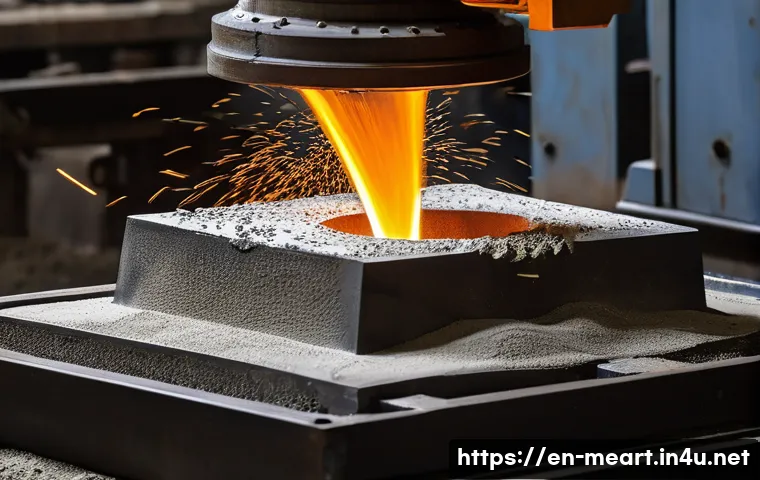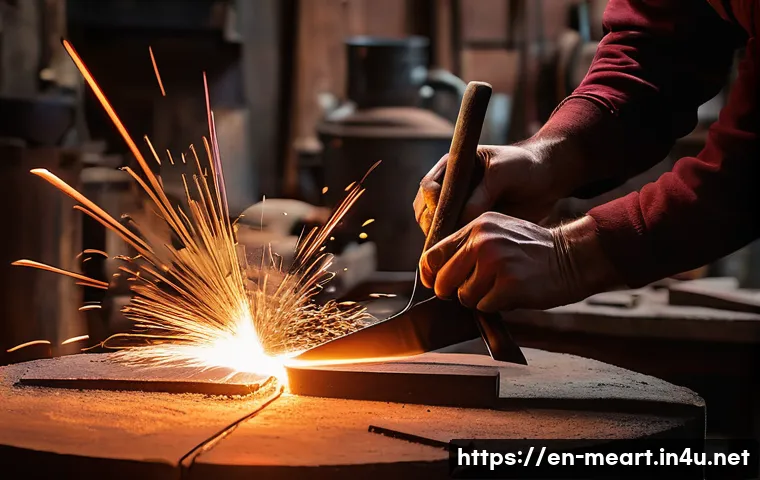
Metal sculpting is an art form that combines creativity with craftsmanship, transforming raw metal into stunning three-dimensional works. From delicate wire sculptures to bold, abstract forms, the possibilities are endless.
This technique not only demands technical skill but also a deep understanding of materials and tools. Whether you’re a beginner or an experienced artist, exploring metal sculpting can open new avenues for expression.
Let’s dive deeper and uncover the fascinating techniques behind metal sculpting!
Exploring Different Metal Shaping Methods
Hammering and Forging: Breathing Life into Metal
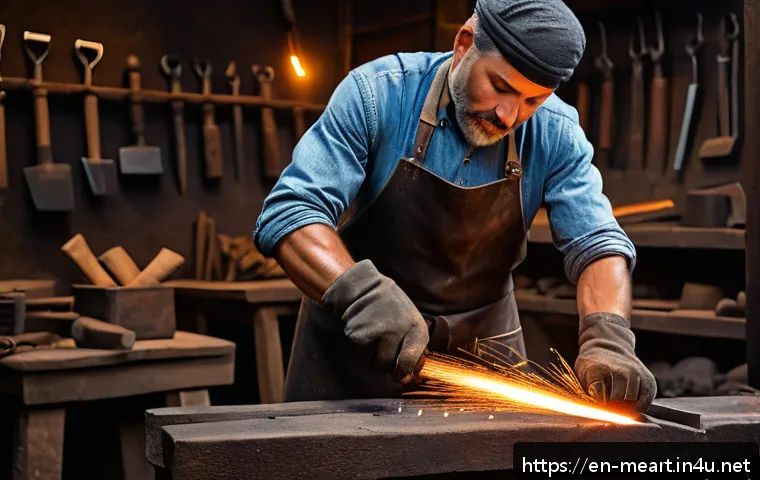
Hammering, often combined with forging, is a classic technique where metal is shaped by repeated blows from a hammer. This method requires both strength and finesse, as controlling the force and angle of each strike directly affects the final shape.
I remember the first time I tried forging—it was surprisingly meditative, almost like a dance between the hammer and the metal. The metal heats up and becomes more malleable, allowing for smooth curves or sharp edges depending on your intent.
It’s crucial to use the right anvil and hammer type because the wrong tools can make the metal brittle or cause uneven shaping. This technique is perfect for creating organic, flowing forms as well as precise, geometric pieces.
Welding and Soldering: Joining Metal Pieces Seamlessly
Welding and soldering are indispensable when your sculpture involves assembling multiple parts. Welding melts the metal at the joint to fuse pieces together, creating a strong and permanent bond.
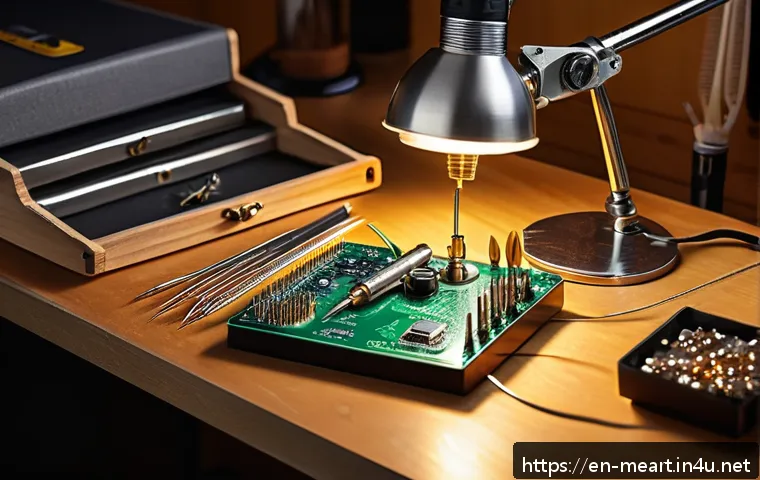
Soldering, on the other hand, uses a filler metal with a lower melting point, ideal for delicate or thinner metals. I found welding intimidating at first because of the sparks and intense heat, but with practice, it became one of my favorite ways to bring complex ideas to life.
Safety gear is a must—helmet, gloves, and proper ventilation are non-negotiable. Both techniques allow for endless creativity, from abstract assemblies to intricate figurines.
Bending and Twisting: Adding Movement and Texture
Bending and twisting metal wires or sheets add a dynamic sense of movement and texture to a sculpture. Using pliers, jigs, or even hands, artists can create spirals, waves, or angular shapes.
One time, I experimented with copper wire, bending it into a flowing tree branch—seeing the wire take on a lifelike form was incredibly rewarding. This method often pairs well with other techniques like welding, as the bent pieces can be joined to form larger compositions.
It’s also accessible for beginners since it requires minimal equipment but offers tremendous expressive potential.
Choosing the Right Metals for Your Projects
Understanding Metal Properties and Workability
Each metal has unique characteristics that influence how it behaves during sculpting. For instance, aluminum is lightweight and easy to shape but might lack the heft desired in larger sculptures.
Steel offers strength and durability but requires more power tools to manipulate. Copper and brass bring warmth and color but are softer and prone to patina over time.
When I started, I gravitated toward steel for its robustness, but later I enjoyed copper for its artistic finish. Knowing the melting points, hardness, and corrosion resistance helps in selecting the right metal for both aesthetic and practical reasons.
Cost and Availability Considerations
Budget plays a big role, especially for newcomers. Steel is widely available and relatively affordable, making it a favorite for many artists. Precious metals like silver or bronze are costly but offer unique finishes and are often reserved for fine art pieces or small sculptures.
Sometimes, repurposing scrap metal can be a cost-effective and environmentally friendly approach. I once built a sculpture using old car parts, which added an industrial edge and saved a ton on material costs.
Availability also depends on your location; urban areas typically have better access to metal suppliers and recycling centers.
Surface Finishing and Treatments
After shaping and assembling, finishing your sculpture is essential for both protection and aesthetics. Common finishes include polishing, patination, and powder coating.
Polishing can bring out a mirror-like shine, while patination introduces color changes through chemical reactions, giving an aged or artistic look. Powder coating adds a durable, colored layer that resists scratches and corrosion.
From personal experience, patination was a game-changer—I loved how it transformed a dull bronze piece into something vibrant and full of character.
Essential Tools and Equipment for Metal Artists
Basic Hand Tools Every Sculptor Should Own
For anyone starting metal sculpting, a solid set of hand tools is invaluable. This includes hammers of various sizes, pliers, metal files, and a sturdy vise.
These tools allow you to manipulate metal precisely and safely. I still rely heavily on my bench vise—it holds pieces firmly while I shape or weld them, making the process smoother and less frustrating.
Files are fantastic for smoothing edges and adding fine details after cutting or welding.
Power Tools That Elevate Your Craft
Power tools like angle grinders, plasma cutters, and drill presses drastically increase efficiency and precision. An angle grinder is versatile—it can cut, grind, and polish metal surfaces.
Plasma cutters are excellent for intricate cuts, especially on thick sheets. When I upgraded to a plasma cutter, my ability to experiment with complex shapes expanded tremendously.
However, these tools come with a learning curve and safety concerns, so proper training and protective gear are essential.
Safety Gear: Protecting Yourself During Creation
Metal sculpting involves hazards like sparks, hot surfaces, sharp edges, and toxic fumes. Investing in quality safety gear isn’t optional—it’s a must.
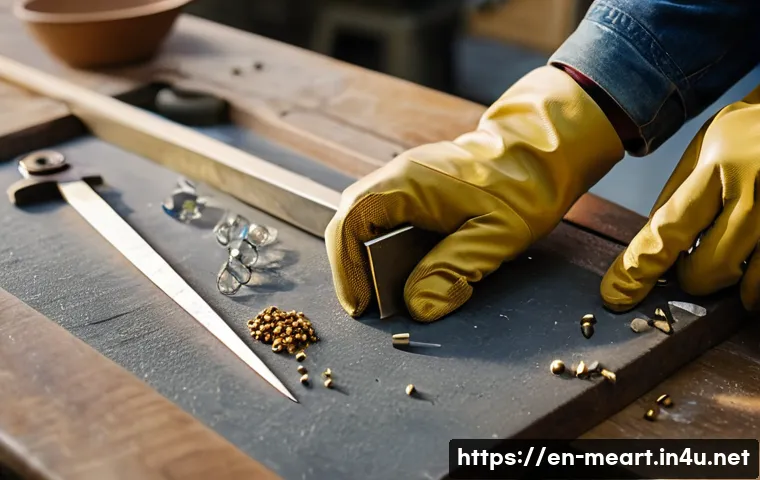
At minimum, wear welding helmets or goggles, gloves, ear protection, and long sleeves. Ventilation is also critical, especially when welding or applying chemical finishes.
Over time, I’ve learned that being cautious not only keeps injuries at bay but also boosts confidence, letting me focus more on the creative process.
Techniques for Adding Detail and Texture
Engraving and Etching for Intricate Patterns
Engraving involves carving fine lines into the metal surface, either by hand or with specialized tools, to add detailed designs or textures. Etching uses acid or chemical solutions to selectively corrode the metal, creating patterns with depth and contrast.
I experimented with etching on copper sheets, and the results were stunning—almost like painting with light and shadow. These techniques require patience and precision but can elevate a sculpture from simple to mesmerizing.
Surface Texturing with Hammer and Tools
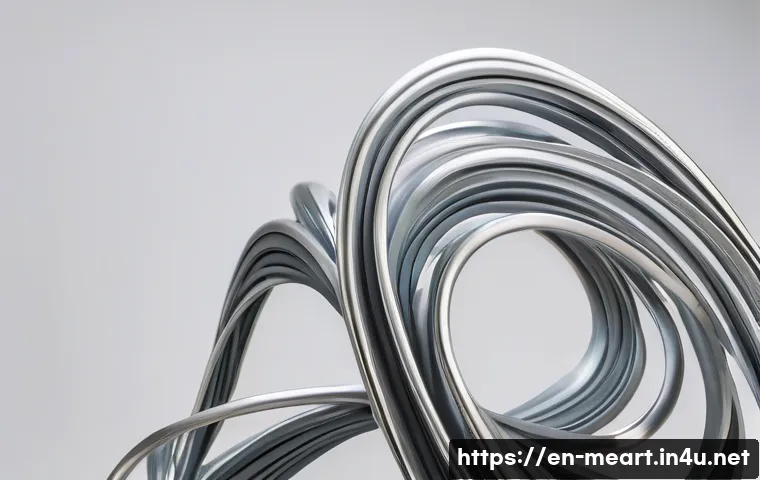
Texturing metal surfaces adds tactile interest and can convey emotions or themes. Hammering with textured heads, using punches, or applying patterned rollers can create ripples, dimples, or other effects.
I recall a sculpture where I hammered the metal to mimic tree bark—it brought a realistic touch that viewers could literally feel. Texturing also helps hide minor imperfections, which is a bonus for beginners still mastering shaping techniques.
Combining Mixed Media for Unique Effects
Incorporating other materials like wood, glass, or stone into metal sculptures opens up endless creative possibilities. Mixed media can contrast textures and colors, creating depth and storytelling.
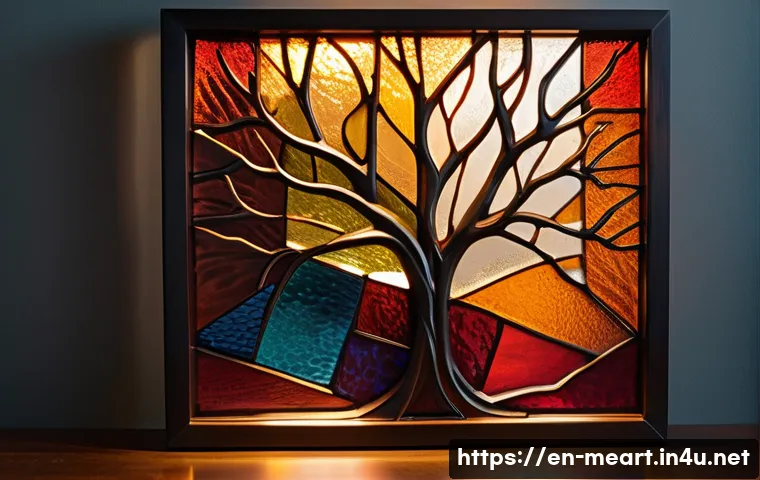
For example, I once embedded stained glass into a steel frame—lighting it from behind gave the piece an ethereal glow. Blending materials requires thoughtful planning and sometimes specialized adhesives or fasteners, but the results can be breathtaking.
Understanding Metal Sculpting Styles and Inspirations
Abstract vs. Figurative Approaches
Metal sculpting spans a broad spectrum from abstract forms to highly detailed figurative works. Abstract sculptures focus on shapes, lines, and emotions rather than realistic representation, allowing more freedom in technique and material use.
Figurative sculptures aim to capture human or animal forms, demanding more precision and anatomical knowledge. I started with abstract pieces, which helped me loosen up creatively, but gradually moved toward figurative work as my skills improved.
Both styles have their unique challenges and rewards.
Influences from Historical and Contemporary Artists
Many metal sculptors draw inspiration from pioneers like Alexander Calder, known for kinetic mobiles, or Richard Serra, famous for his monumental steel installations.
Contemporary artists continue to push boundaries by integrating technology or social themes. Exploring their work gives valuable insight into possibilities and trends in metal art.
Personally, studying Calder’s balance and movement techniques taught me how to infuse life into static metal.
Finding Your Own Voice Through Experimentation
The beauty of metal sculpting lies in its versatility—no two artists’ work looks the same. Experimenting with different metals, tools, and styles is key to discovering your unique artistic voice.
Don’t be afraid to make mistakes; often, the most unexpected results lead to breakthroughs. I remember a piece that started as a failed welding experiment but ended up becoming my signature sculpture because of its raw, organic form.
Maintenance and Longevity of Metal Sculptures
Preventing Rust and Corrosion
Rust is the enemy of metal sculptures, especially those displayed outdoors. Applying protective coatings like clear sealants, wax, or specialized rust inhibitors extends the life of your work.
I’ve had outdoor pieces for years, and regular maintenance—wiping down surfaces and occasional re-coating—keeps them looking fresh. Choosing corrosion-resistant metals like stainless steel or bronze also helps but can affect cost.
Cleaning and Restoring Metal Artworks
Cleaning metal sculptures involves gentle techniques to avoid damage. Mild soap, water, and soft cloths are usually sufficient. For tarnished metals like copper or silver, commercial metal polishes or homemade remedies (like vinegar and salt) can restore shine.
I once restored an old copper sculpture passed down from a friend—it was gratifying to bring back its original luster without harsh chemicals.
Storage Tips for Longevity
If you need to store metal sculptures, keep them in dry, temperature-controlled environments to prevent moisture buildup and warping. Wrapping pieces in acid-free paper or cloth protects surfaces from scratches.
For large outdoor works, seasonal inspections and protective covers shield them from harsh weather. I always recommend documenting your maintenance routine with photos and notes—this helps track changes and plan future care.
Comparative Overview of Popular Metals in Sculpting
| Metal | Properties | Advantages | Challenges | Typical Uses |
|---|---|---|---|---|
| Steel | Strong, durable, heavy | Affordable, widely available, versatile | Requires power tools, prone to rust | Large sculptures, industrial style, frameworks |
| Copper | Soft, malleable, reddish color | Beautiful patina, easy to shape | Expensive, tarnishes over time | Decorative pieces, jewelry, detailed work |
| Aluminum | Lightweight, corrosion-resistant | Easy to cut and bend, rust-proof | Less sturdy, can dent easily | Outdoor sculptures, kinetic art |
| Bronze | Hard, corrosion-resistant, classic look | Longevity, rich color, patina develops | Costly, heavy, complex casting | Traditional statues, fine art |
Conclusion
Exploring different metal shaping methods opens up a world of creative possibilities for artists at every skill level. Whether you prefer the hands-on rhythm of hammering or the precision of welding, understanding metal properties and tools is key to success. With patience and practice, you can bring your unique vision to life while mastering techniques that enhance both form and function.
Useful Information to Keep in Mind
1. Always prioritize safety by using proper gear like helmets, gloves, and ventilation when working with metals to prevent accidents and health risks.
2. Selecting the right metal depends on your project’s purpose, budget, and desired finish—steel is versatile, copper adds warmth, and aluminum is lightweight.
3. Combining multiple metal shaping techniques can enrich your artwork, allowing for more intricate and dynamic sculptures.
4. Regular maintenance such as cleaning and applying protective coatings helps preserve your sculptures, especially those displayed outdoors.
5. Experimenting with mixed media and different textures can make your metal art stand out and reflect your personal style.
Key Takeaways
Understanding the fundamentals of metalworking techniques and metal properties forms the foundation for successful sculpting projects. Investing in quality tools and safety equipment not only improves the crafting experience but also ensures longevity and professionalism in your work. Embracing experimentation and continuous learning will help you develop a distinct artistic voice and produce sculptures that resonate with viewers. Lastly, proper care and maintenance are essential to protect your creations and keep them looking their best for years to come.
Frequently Asked Questions (FAQ) 📖
Q: What basic tools do I need to start metal sculpting?
A: When I first started metal sculpting, having the right tools made all the difference. At minimum, you’ll want a set of pliers, a hammer, a metal file, and a welding machine or a soldering iron depending on your technique.
Safety gear like gloves, goggles, and a mask is essential too. As you progress, you might add grinders, torches, or an anvil to your workshop. These tools let you cut, shape, and join metal effectively, setting a solid foundation for your creative work.
Q: Is metal sculpting suitable for beginners, and how can I practice safely?
A: Absolutely, metal sculpting can be beginner-friendly if you start with simple projects and take safety seriously. When I was starting out, I focused on wire sculptures first because they require less heavy equipment and give you a feel for shaping metal.
Always work in a well-ventilated area and wear protective gear to avoid injuries. Begin by practicing cutting and bending scrap metal pieces, and gradually move to welding or soldering as you gain confidence.
Taking a local class or watching tutorial videos can also help you build skills safely.
Q: What types of metals are best for sculpting, and how do their properties affect the process?
A: Choosing the right metal really shapes your sculpting experience. I found that aluminum and copper are great for beginners because they’re softer and easier to manipulate.
Steel is tougher but offers incredible strength and durability, perfect for larger or outdoor sculptures. Each metal responds differently to heat and tools; for example, brass has a beautiful color but requires careful handling due to its brittleness.
Understanding the metal’s melting point, flexibility, and corrosion resistance helps you decide what fits your artistic vision and technical skill level.