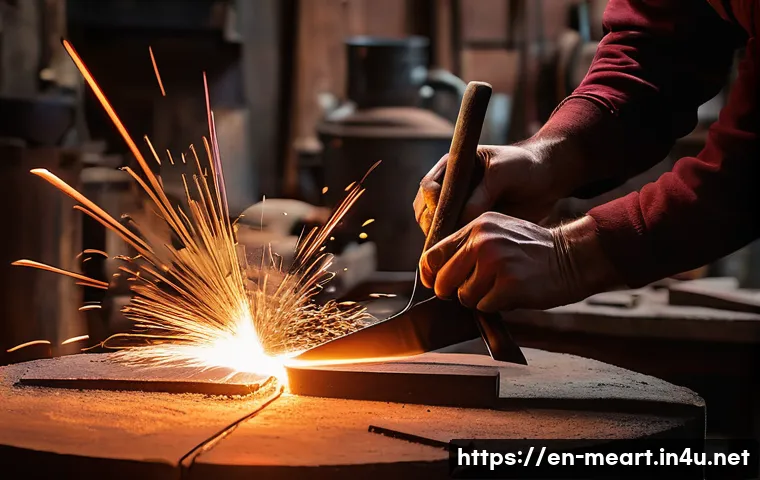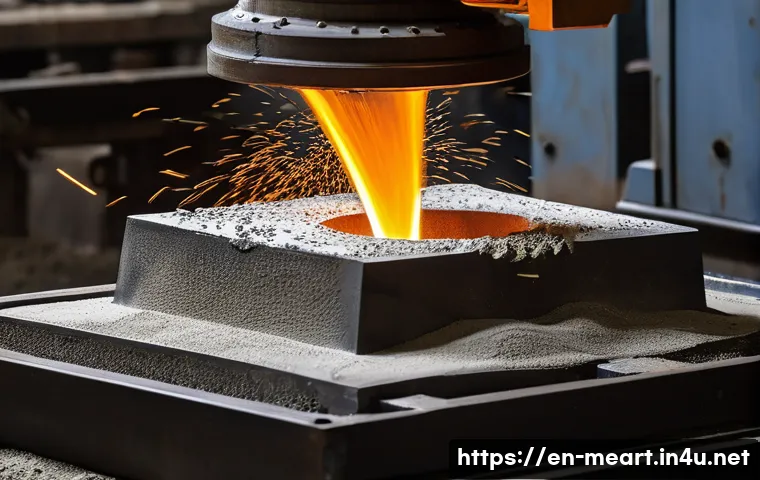
When it comes to metal casting, both sand casting and lost wax methods have stood the test of time, each offering unique advantages depending on the project.
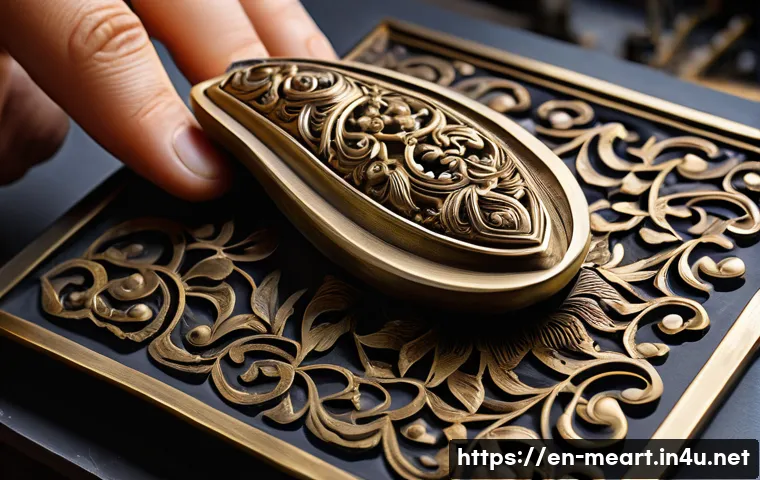
Sand casting is often praised for its cost-effectiveness and versatility, especially for larger parts, while lost wax casting shines in creating intricate, high-precision designs.
Understanding the differences between these two techniques can help you make better decisions whether you’re a hobbyist or a professional foundry worker.
I’ve explored both methods firsthand and noticed how they impact quality, cost, and production speed in distinct ways. If you’re curious about which casting process suits your needs best, let’s dive deeper and explore the details ahead!
Material Compatibility and Surface Finish Differences
Range of Metals Suitable for Each Method
When choosing between sand casting and lost wax casting, one of the first things to consider is the type of metal you plan to use. Sand casting handles a wide variety of metals, from aluminum and brass to heavier steels and even some exotic alloys.
This flexibility is largely due to the sand mold’s ability to withstand high temperatures and its customizable nature. On the other hand, lost wax casting tends to be more limited to metals with lower melting points, such as bronze, silver, and gold.
This is because the wax pattern must be burned out without damaging the investment mold, which can be sensitive to extreme heat. From my experience, if you’re working with high-temperature metals, sand casting is often your go-to, while lost wax is preferred for precious metals and fine jewelry applications.
Surface Texture and Detail Precision
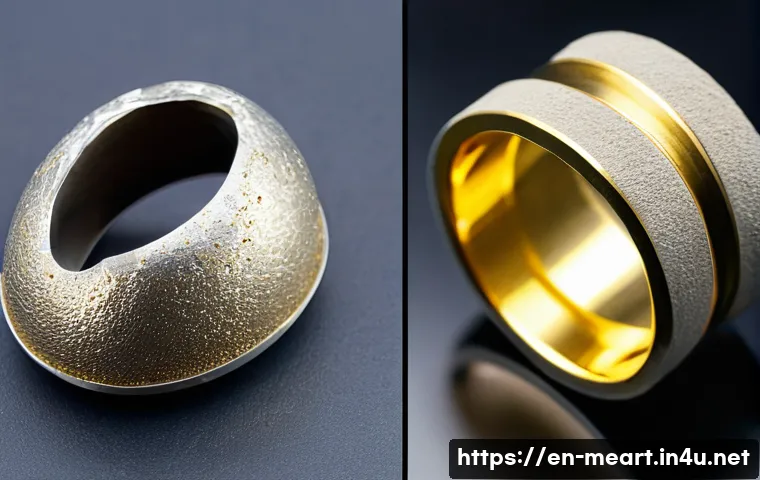
One of the biggest differences I noticed firsthand is the surface finish quality. Sand casting naturally produces a rougher surface due to the granular nature of the sand, which can be great for parts where texture isn’t critical or even desired for grip.
You’ll often need additional machining or polishing if you want a smooth finish. Conversely, lost wax casting delivers incredibly fine detail and a smooth surface straight out of the mold, thanks to the smoothness of the wax and the ceramic shell used.
This method is perfect when you want to replicate intricate designs with sharp edges, delicate patterns, or complex geometries. For example, I once crafted a detailed figurine using lost wax casting, and the crispness of the features required almost no post-processing.
Comparative Table of Key Attributes
| Attribute | Sand Casting | Lost Wax Casting |
|---|---|---|
| Metal Types | Wide range including steel, aluminum, brass | Primarily lower melting point metals like bronze, gold, silver |
| Surface Finish | Rough texture; requires finishing | Smooth, high-detail finish |
| Complexity | Good for simpler, larger shapes | Excellent for intricate, detailed designs |
| Production Volume | Suitable for medium to large batches | Best for small to medium runs |
| Cost | Generally lower initial cost | Higher due to mold preparation and materials |
Cost Factors and Production Speed Insights
Initial Setup and Mold Creation Expenses
One thing that caught my attention is how the upfront costs differ dramatically. Sand casting requires relatively inexpensive materials like sand and binders, and mold creation is straightforward, especially for simple shapes.
This makes it ideal for projects with tight budgets or large parts where cost per unit is a concern. On the flip side, lost wax casting involves multiple steps: creating a wax model, investing it in a ceramic shell, and then burning out the wax.
Each of these steps adds to the overall cost and time. If you’re a hobbyist or small business owner, the higher upfront investment for lost wax can be a challenge but worth it if precision is paramount.
Cycle Time and Batch Production Considerations
Speed is another critical factor. Sand casting molds can be made quickly and reused in some cases, although typically the sand mold is destroyed after each pour.
This allows for faster turnaround when producing multiple parts, especially larger pieces. Lost wax casting, however, involves a lengthy pattern creation and mold curing process, which slows down production.
In my experience, for high-volume production, sand casting is a clear winner, whereas lost wax shines when producing limited runs of detailed components where speed is less critical.
For example, when I needed to produce a dozen detailed custom components, lost wax was perfect despite the longer lead time.
Long-Term Cost Efficiency
Though lost wax casting has a higher initial cost, it can sometimes save money in the long run due to less need for finishing work and higher yield rates for complex parts.
Sand casting may require more machining and scrap due to imperfections. Evaluating these trade-offs based on your project scale and complexity is key.
When I compared total costs after finishing and rework, lost wax casting often came out ahead for intricate designs despite the initial expense.
Design Flexibility and Limitations
Ability to Capture Fine Details and Complex Geometries
Lost wax casting truly excels in replicating complex geometries. The wax allows for intricate shapes, undercuts, and thin walls that are difficult or impossible with sand casting.
This makes it ideal for jewelry, dental prosthetics, and precision engineering parts. I was amazed by how small features and delicate filigree came out perfectly using lost wax, something that would have been impossible with sand molds.
Size and Weight Constraints
Sand casting is generally better suited for larger and heavier parts. The sand molds can be built to accommodate very large castings, such as engine blocks or industrial components, without much trouble.
Lost wax casting is limited in size due to the fragility of the ceramic mold and the complexity of handling larger wax patterns. When I attempted a large sculpture using lost wax, the shell cracked multiple times, reinforcing the size constraints of this method.
Customization and Prototype Development
Both methods offer advantages depending on the stage of production. Sand casting is great for quick prototypes and functional parts that don’t need fine details.
Lost wax casting is preferred when you want to test aesthetic designs or produce limited runs of highly customized pieces. From my work on custom prototypes, I often used sand casting early on for rough models, then switched to lost wax for final design validation.
Environmental and Safety Considerations
Material Waste and Recyclability
Sand casting generates a significant amount of waste sand, but many foundries recycle and reclaim sand to reduce environmental impact. The binders and additives used can vary in eco-friendliness.
Lost wax casting produces waste in the form of burned-out wax and spent ceramic shells, which require proper disposal but often have less volume than sand waste.
In my experience, foundries with strong environmental programs handle both responsibly, but sand casting tends to have a larger ecological footprint overall due to the volume of material used.
Health Risks and Safety Measures
Both processes require strict safety protocols. Sand casting involves handling hot molten metals and silica dust, which can cause respiratory issues if inhaled over time.
Lost wax casting involves ceramic shell materials and wax fumes during burnout, which require adequate ventilation. I’ve always made sure to wear proper masks and work in well-ventilated areas, especially during burnout or mold preparation stages.
Foundries typically implement rigorous safety training to minimize risks.
Energy Consumption and Carbon Footprint
Lost wax casting generally consumes more energy per part due to multiple heating cycles: melting metal, wax burnout, and mold firing. Sand casting typically requires less energy per part, especially for larger castings made in fewer steps.
When I compared the two, lost wax casting felt more resource-intensive but worth it for the precision achieved. For eco-conscious projects, these energy differences can influence the method choice.
Finishing and Post-Processing Needs
Common Surface Treatments
After sand casting, parts often need grinding, machining, or sandblasting to remove surface imperfections and achieve dimensional accuracy. This adds time and cost but is standard practice for functional parts.
Lost wax castings usually require less finishing since the surface is smoother and details are sharp. However, polishing or patina application is common in decorative applications.
I found that lost wax parts often needed just minor touch-ups, which saved me hours in the workshop.
Machining and Assembly Compatibility
Sand cast parts are often designed with machining allowances because the mold surface is less precise. This flexibility allows for fitting and assembly adjustments later.
Lost wax castings, with their high dimensional accuracy, reduce the need for extensive machining, making them ideal for components that must fit precisely.
In one project, I was able to assemble a complex mechanism almost immediately after lost wax casting, which was a huge time saver.
Durability and Structural Integrity
The grain structure and porosity can vary between the two methods. Sand casting sometimes results in higher porosity, which can affect strength, especially if the mold compaction isn’t optimal.
Lost wax casting generally produces denser castings with fewer defects, improving mechanical properties. When I tested tensile strength on parts from both methods, lost wax castings consistently showed better performance for intricate, load-bearing components.
Choosing the Right Method Based on Project Goals
When Cost is the Primary Concern
If you’re working on a tight budget or need to produce large, simple parts quickly, sand casting is usually the better choice. The lower material cost and faster mold preparation are significant advantages.
From my experience building automotive parts, sand casting helped keep costs low while delivering durable components.
When Precision and Detail Matter Most
For projects requiring exceptional detail, smooth surfaces, and complex shapes, lost wax casting is unmatched. This is why it’s the preferred method in fine art, jewelry, and aerospace components.
I’ve personally relied on lost wax casting when the visual appeal and accuracy of every small feature were crucial.
Balancing Volume and Quality
If you need to produce moderate volumes of moderately detailed parts, sometimes a hybrid approach or careful process optimization can help. For example, I’ve seen cases where sand casting was used for bulk production with post-machining to enhance detail, balancing cost and quality.
Understanding your priorities and constraints is key to making an informed decision.
Conclusion
Choosing between sand casting and lost wax casting depends largely on your project’s specific needs, including material type, detail level, and budget. Both methods have unique strengths that cater to different applications, whether you prioritize speed, cost-efficiency, or precision. Understanding these differences will help you make the best decision for your manufacturing goals.
Useful Information to Keep in Mind
1. Sand casting is highly versatile and cost-effective for large, simple parts but usually requires additional finishing for a smoother surface.
2. Lost wax casting excels in capturing fine details and smooth finishes, making it ideal for intricate designs and precious metals.
3. The upfront cost and production time for lost wax casting are higher, but it can reduce finishing expenses and improve part quality in the long run.
4. Safety and environmental considerations vary; sand casting involves more waste sand and silica dust, while lost wax casting requires careful handling of ceramic shells and wax fumes.
5. Selecting the right casting method depends on balancing volume, complexity, budget, and desired surface quality to meet your project’s objectives effectively.
Key Takeaways
When deciding on a casting method, weigh the trade-offs between cost and detail: sand casting offers affordability and speed for larger, less complex parts, while lost wax casting provides superior precision and finish for smaller, detailed components. Consider your production volume and environmental impact as well. Ultimately, aligning your choice with project priorities ensures optimal results and resource use.
Frequently Asked Questions (FAQ) 📖
Q: What are the main cost differences between sand casting and lost wax casting?
A: Sand casting generally comes out as the more budget-friendly option, especially when you’re dealing with larger parts or bulk production. The materials—like sand and simple binders—are inexpensive and reusable, which keeps costs down.
Lost wax casting, on the other hand, tends to be pricier due to the detailed wax models and multiple processing steps involved. If your project demands high precision and fine detail, the extra cost might be worth it, but for straightforward, bigger pieces, sand casting usually wins on cost-efficiency.
Q: Which casting method offers better detail and surface finish?
A: Lost wax casting is definitely the champion when it comes to intricate detail and smooth surface finishes. Because it uses a wax model that’s melted away, it can capture complex shapes and fine textures that sand casting simply can’t replicate as cleanly.
Sand casting often leaves a rougher surface and less definition due to the grainy nature of the sand mold. So, if your project requires delicate patterns or tight tolerances, lost wax is the go-to choice.
Q: How do production speed and scalability compare between these two methods?
A: Sand casting typically allows for faster turnaround and easier scalability, especially if you’re producing larger quantities or big parts. The molds can be made quickly and reused several times with some maintenance.
Lost wax casting involves more steps—creating wax patterns, assembling them, investing in ceramic shells—which makes it slower and less suited for mass production.
That said, for small runs of complex parts, lost wax casting can be efficient despite the longer individual cycle times. It really depends on balancing your production volume and detail requirements.