Unlocking Timeless Craftsmanship Exploring Traditional Metalworking Techniques That Shape History

webmaster

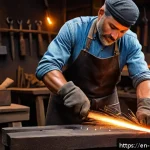
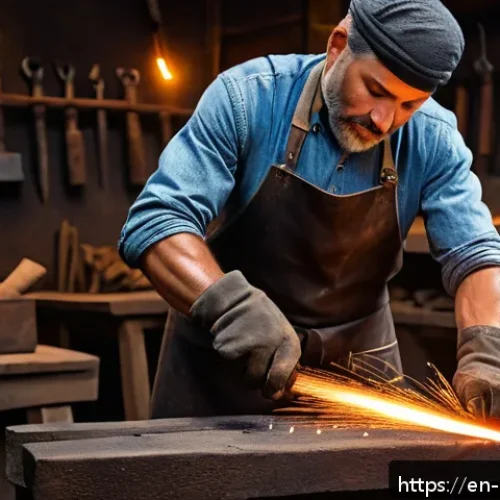
전통 금속공예 기법 - A skilled blacksmith in a traditional workshop, hammering a glowing hot piece of steel on an anvil, ...

In a world rapidly shifting towards digital and mass-produced goods, the art of traditional metalworking offers a fascinating glimpse into the past. Recently, there’s been a growing appreciation for handmade crafts that carry stories and history within every piece.

전통 금속공예 기법 관련 이미지 1

Exploring these age-old techniques not only connects us to the skilled artisans who shaped history but also highlights the timeless beauty that machine-made items often lack.

If you’ve ever wondered how metalworkers turned raw materials into masterpieces centuries ago, you’re in for an insightful journey. Let’s dive into the techniques that have stood the test of time and continue to inspire craftsmanship today.

Unlocking the Secrets of Metal Shaping

Mastering the Art of Forging

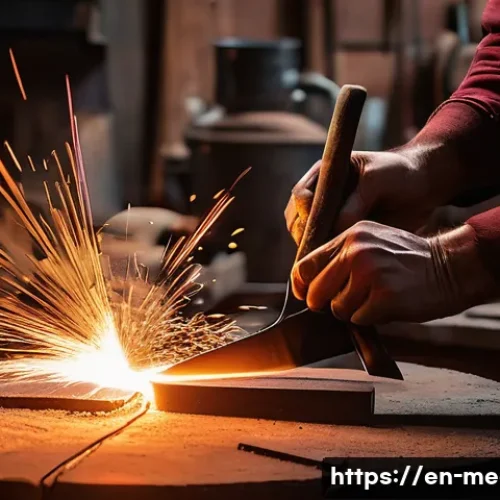
Forging remains one of the most fundamental and mesmerizing techniques in traditional metalworking. By heating metal until it’s glowing hot and then hammering it into shape, artisans can transform a simple lump of raw material into something both strong and beautiful.

What really fascinates me is how every strike of the hammer shapes the metal’s internal structure, making it denser and more resilient. It’s not just brute force—there’s an intuitive rhythm to it, almost like a dance between the smith and the metal.

Forging requires immense skill and patience; even a slight misstep can cause cracks or weak points, which would ruin the piece. I’ve had the chance to try forging myself, and it’s humbling how much respect this craft demands.

The Subtle Art of Annealing

Annealing is a process that often goes unnoticed by casual observers but is absolutely critical in metalworking. After heating and hammering, the metal becomes incredibly hard but also brittle.

Annealing involves gently reheating the metal and then allowing it to cool slowly, which softens the metal and relieves internal stresses. This step is crucial because it prepares the metal for further shaping without cracking or breaking.

From what I’ve seen in workshops, the temperature and timing during annealing can vary widely depending on the type of metal and the desired outcome. It’s a delicate balance that only experienced craftsmen can master, often relying on instinct honed over years.

Precision in Cold Working

While heating metal is common, cold working—shaping metal at room temperature—adds a layer of finesse to the craft. Techniques like hammering, bending, and filing at lower temperatures allow for finer details and intricate designs that hot forging can’t achieve.

Cold working also hardens the metal surface, making it more durable. However, since the metal isn’t softened by heat, it requires more force and careful control to avoid damage.

The tactile feedback during cold working is what many artisans cherish, as it gives a direct connection to the material’s behavior. I recall watching a craftsman painstakingly shape delicate filigree patterns using just cold working tools—it was like watching poetry in motion.

Advertisement

Breathing Life Into Metal Through Joining

Traditional Riveting Techniques

Before welding became commonplace, riveting was the go-to method for joining metal pieces. This technique involves driving metal pins or bolts through aligned holes to hold parts together firmly.

What’s impressive is how rivets, once set, form a bond that’s both mechanical and, in a way, artistic. Each rivet head adds texture and rhythm to the finished object, visible signs of the maker’s hand.

Riveting requires precise alignment and timing; if the rivets are too loose or too tight, the piece loses integrity. I’ve observed how some blacksmiths even use rivets decoratively, blending function with aesthetics seamlessly.

Soldering: The Craftsman’s Glue

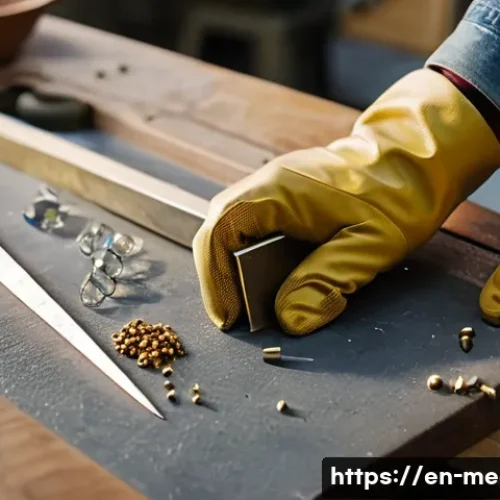
Soldering is a more delicate joining process that involves melting a filler metal to bond two pieces without melting the base metals themselves. This technique is essential in jewelry and fine metalwork where precision and subtlety matter most.

Unlike welding, soldering allows for joining thin or fragile components without warping them. I remember handling a silver pendant repair where soldering was the only option to restore intricate links without damaging the original design.

The skill lies in controlling the heat exactly—too much and the piece melts, too little and the bond fails. Soldering perfectly showcases the artisan’s patience and control.

Mechanical Fastening in Modern Craft

In some traditional crafts, mechanical fastening methods like screws and clamps have found a renewed role, especially when combining metal with other materials like wood or leather.

These fasteners allow for disassembly and repair, extending the life of handcrafted items. While not as romantic as forging or soldering, mechanical fastening reflects a practical evolution in the craft.

In my experience, artisans often blend old and new methods, respecting tradition while embracing functionality. This hybrid approach is a testament to metalworking’s adaptability and ongoing relevance.

Advertisement

Surface Transformations That Tell a Story

Engraving: Etching Memories in Metal

Engraving is where metalworking truly becomes storytelling. By carving patterns, symbols, or inscriptions into the metal surface, artisans add meaning and personality to their work.

This meticulous process requires steady hands and a deep understanding of the tools and materials. I was amazed watching a master engraver at work, turning a plain bracelet into a narrative piece rich with symbolism and emotion.

Each cut not only alters the metal’s texture but also captures a moment, a culture, or a personal story that lives on through the object.

Patinas and Natural Aging

One of the most fascinating aspects of traditional metalworking is how metals age gracefully over time, developing unique patinas that enhance their beauty.

Rather than trying to keep metals shiny and new, many artisans embrace oxidation and wear as part of the piece’s character. The patina can range from subtle hues to dramatic colors, depending on the metal and environment.

I’ve noticed that collectors often prize these natural finishes for their authenticity and history. Moreover, some craftsmen apply chemical treatments to accelerate or control patination, blending science with art in a truly impressive way.

Polishing and Finishing Touches

The final polish is what turns a rugged piece into a masterpiece. Polishing removes surface imperfections and highlights the metal’s natural luster, elevating the overall aesthetic.

Different metals and objects require varying polishing techniques—from gentle buffing to aggressive grinding. I once spent hours polishing a copper bowl and was surprised by how the metal seemed to glow under the light afterward.

Finishing touches might also include adding decorative elements like inlays or enameling, which bring an additional layer of craftsmanship and creativity.

Advertisement

Tools That Shaped a Legacy

Hand Tools: The Craftsman’s Extension

Traditional metalworking relies heavily on hand tools such as hammers, anvils, chisels, and files. These tools are not just instruments but extensions of the artisan’s intent and skill.

Every craftsman develops a personal relationship with their tools, knowing how to wield each one to achieve specific effects. I’ve visited workshops where the oldest, most worn tools were also the most cherished—each scar telling a story of years of use and mastery.

The simplicity of these tools contrasts with the complexity of the work they enable, highlighting the beauty of human ingenuity.

전통 금속공예 기법 관련 이미지 2

Heat Sources Through the Ages

Fire is the heart of metalworking, and the sources of heat have evolved dramatically over time. Early smiths used charcoal fires, which required careful tending to maintain the right temperature.

Later, coal and coke provided more consistent heat, and today, electric and gas forges offer precision and control unimaginable in the past. Despite technological advances, many artisans still prefer traditional fire methods for the unique qualities they impart to the metal.

Experiencing the warmth and crackle of a charcoal forge firsthand gives a visceral connection to centuries of craft tradition.

Measuring and Marking with Precision

Accuracy in metalworking is crucial, and traditional methods for measuring and marking have been surprisingly sophisticated. Simple tools like dividers, calipers, and scribes allowed artisans to transfer intricate designs onto metal surfaces before cutting or shaping.

I remember watching a craftsman use a scribe to etch guidelines so faint they were barely visible but perfectly aligned. This level of precision requires steady hands and sharp eyes, developed through years of practice.

It’s a reminder that even before modern technology, metalworkers achieved remarkable accuracy through skill and patience.

Advertisement

Metal Types That Define Craftsmanship

Working with Steel: Strength and Versatility

Steel has long been a favorite among metalworkers for its strength and flexibility. Its ability to be hardened or tempered makes it ideal for tools, weapons, and structural components.

However, steel can be challenging to work with due to its high melting point and tendency to become brittle if mishandled. Through experience, I’ve learned that mastering steel requires understanding its unique properties and adjusting techniques like heating and cooling carefully.

The satisfaction of creating a perfectly balanced steel blade or tool is immense, reflecting both art and science.

Brass and Bronze: The Warmth of Tradition

Brass and bronze offer beautiful colors and excellent workability, making them popular choices for decorative items and musical instruments. These copper alloys respond well to casting, engraving, and polishing, allowing for intricate designs and smooth finishes.

I’ve often admired how these metals develop rich patinas over time, adding to their charm. Working with brass or bronze feels like collaborating with a living material that ages gracefully, telling its own story through color and texture.

Precious Metals: Crafting with Silver and Gold

Silver and gold hold a special place in metalworking due to their rarity, luster, and malleability. Jewelers and artisans prize these metals for creating heirlooms and artistic treasures.

Their softness allows for delicate work, but also demands careful handling to avoid deformation. I once observed a silversmith craft a detailed necklace entirely by hand, using techniques passed down through generations.

The shimmer of precious metals combined with expert craftsmanship creates pieces that are not only valuable but deeply personal and meaningful.

Advertisement

Comparing Traditional Techniques and Their Applications

Technique Primary Use Advantages Challenges
Forging Shaping metal by hammering heated metal Strong, durable pieces; enhances metal structure Requires skill and patience; risk of cracks
Annealing Softening metal by controlled heating and cooling Prevents brittleness; prepares for further shaping Temperature control critical; time-consuming
Soldering Joining delicate pieces with filler metal Precise joins; preserves intricate details Requires careful heat management; weaker than welding
Riveting Mechanical joining of metal parts Strong, visible joints; decorative potential Needs precision; less flexible than welding
Cold Working Shaping metal without heat Fine details; hardens metal surface Harder to shape; risk of metal fatigue
Advertisement

Preserving Craftsmanship for the Future

Passing Skills Through Generations

The survival of traditional metalworking depends heavily on passing knowledge from master to apprentice. This hands-on transfer is more than teaching technique; it’s about instilling respect for the craft and its history.

I’ve seen workshops where young learners absorb lessons not just from instruction but by watching, listening, and doing alongside experienced smiths. This immersive approach creates a deep connection that no book or video can replicate.

It’s inspiring to witness how passion and dedication keep these ancient arts alive in a modern world.

Integrating Tradition with Technology

While honoring tradition, many contemporary artisans also embrace modern tools and methods to expand creative possibilities. Digital design, CNC machining, and new materials offer exciting opportunities without replacing the soul of handmade metalwork.

From my conversations with craftspeople, the key is balance—using technology to enhance rather than overshadow human skill. This fusion allows for innovation while preserving the tactile, personal qualities that make traditional metalworking so special.

Building Community and Awareness

Another vital aspect of keeping metalworking traditions vibrant is building supportive communities and raising public awareness. Exhibitions, fairs, and social media have become powerful platforms for artisans to showcase their work and connect with audiences worldwide.

I’ve noticed that people are increasingly drawn to handcrafted metal pieces, valuing the stories and effort behind them. This growing appreciation not only supports individual artists but also encourages younger generations to explore and continue these timeless crafts.

Advertisement

Conclusion

Exploring the intricate world of metal shaping reveals a blend of skill, patience, and creativity that has endured through centuries. Each technique, from forging to finishing, contributes to the unique character of the final piece. Embracing both tradition and innovation ensures this timeless craft continues to thrive. Whether you’re a curious enthusiast or an aspiring artisan, understanding these methods deepens appreciation for metalworking’s rich legacy.

Advertisement

Helpful Information

1. Proper heat control is essential for successful forging and annealing, as it affects metal strength and flexibility.
2. Cold working can create detailed textures but requires careful handling to prevent metal fatigue.
3. Soldering is ideal for delicate joins, especially in jewelry, where preserving fine details is crucial.
4. Traditional tools remain invaluable, offering tactile feedback and precision that digital tools sometimes lack.
5. Combining old techniques with modern technology can enhance craftsmanship without losing the art’s soul.

Advertisement

Key Takeaways

Understanding the fundamental metal shaping techniques helps in appreciating both the craftsmanship and the challenges involved. Each method serves a specific purpose, whether it’s strengthening, joining, or decorating metal. Mastery demands not only technical skill but also an intuitive connection to the material. Preserving these traditions requires passing down knowledge and embracing thoughtful innovation, ensuring metalworking’s enduring relevance and beauty.

Frequently Asked Questions (FAQ) 📖

Q: uestions about Traditional MetalworkingQ1: What are the main traditional metalworking techniques used by artisans in the past?

A: Traditional metalworking primarily involved techniques such as forging, casting, hammering, and engraving. Forging required heating metal until it was malleable and then shaping it with hammers.
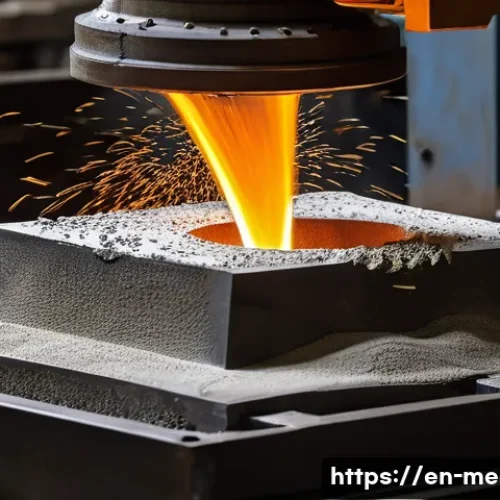
Casting involved pouring molten metal into molds to create specific shapes. Hammering refined the shape and added texture, while engraving added intricate designs.
These methods demanded not only physical skill but also a deep understanding of metal properties, resulting in durable and artistic pieces that machines often can’t replicate.

Q: How does traditional metalworking differ from modern mass production in terms of quality and uniqueness?

A: Traditional metalworking emphasizes craftsmanship, individuality, and the artisan’s personal touch, making each piece unique. Unlike mass-produced items that prioritize speed and uniformity, handmade metalwork often showcases subtle variations and imperfections that add character.
The quality tends to be higher because artisans take the time to ensure durability and aesthetic appeal. From my experience visiting workshops and talking to metalworkers, I noticed how much pride they take in every detail—something machines simply can’t capture.

Q: Can learning traditional metalworking techniques be useful or relevant in today’s digital age?

A: Absolutely. While digital tools and machines have transformed manufacturing, traditional metalworking teaches patience, precision, and creativity—skills that remain valuable.
Many contemporary artists and designers blend old techniques with new technology to create unique works. Personally, I’ve found that understanding these methods deepens appreciation for craftsmanship and inspires innovation.
Plus, for those interested in handmade goods, mastering these skills offers a meaningful way to connect with history and produce lasting art.

📚 References


➤ Link

– Google Search

➤ Link

– Bing Search

➤ Link

– Google Search

➤ Link

– Bing Search

➤ Link

– Google Search

➤ Link

– Bing Search

➤ Link

– Google Search

➤ Link

– Bing Search

➤ Link

– Google Search

➤ Link

– Bing Search

➤ Link

– Google Search

➤ Link

– Bing Search

➤ Link

– Google Search

➤ Link

– Bing Search

➤ Link

– Google Search

➤ Link

– Bing Search