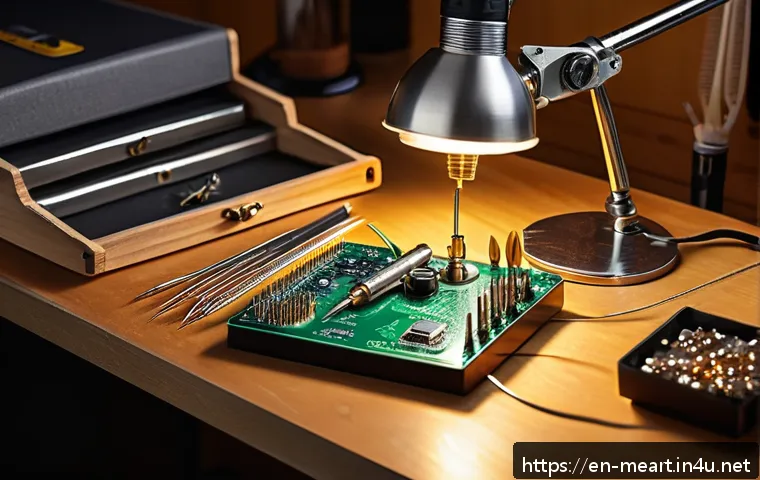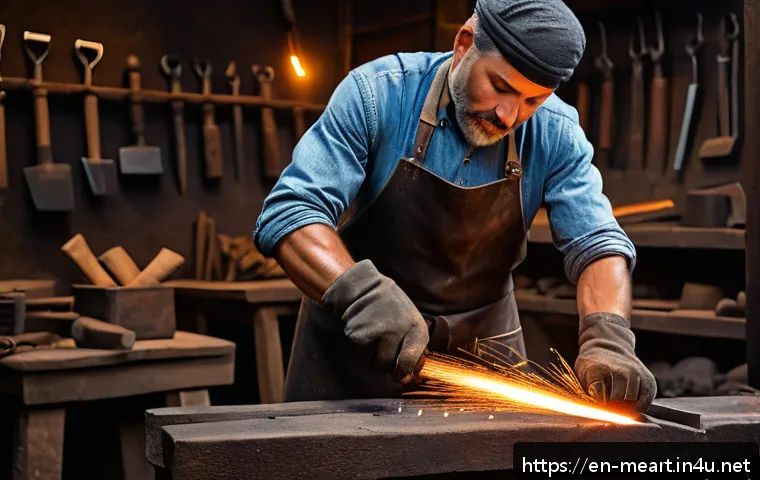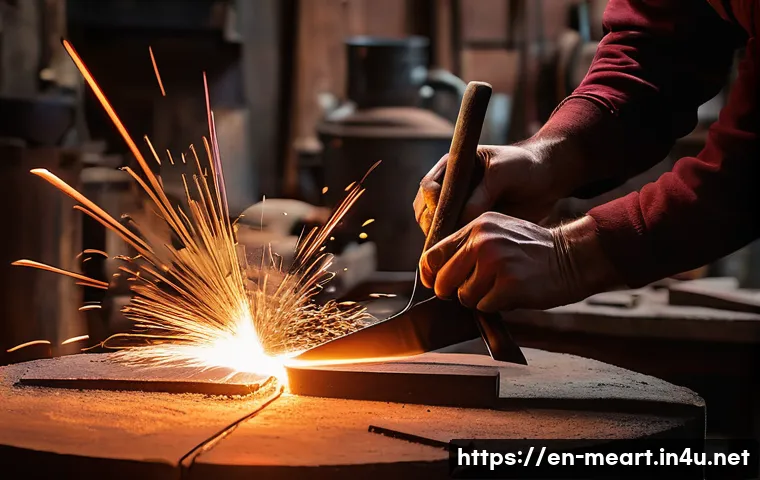
For most wood-and-metal furniture, use a metal frame for structure and attach the wood with mechanical fasteners that allow solid wood to move. Complete welding, grinding, and metal finishing before installing the final wood parts.
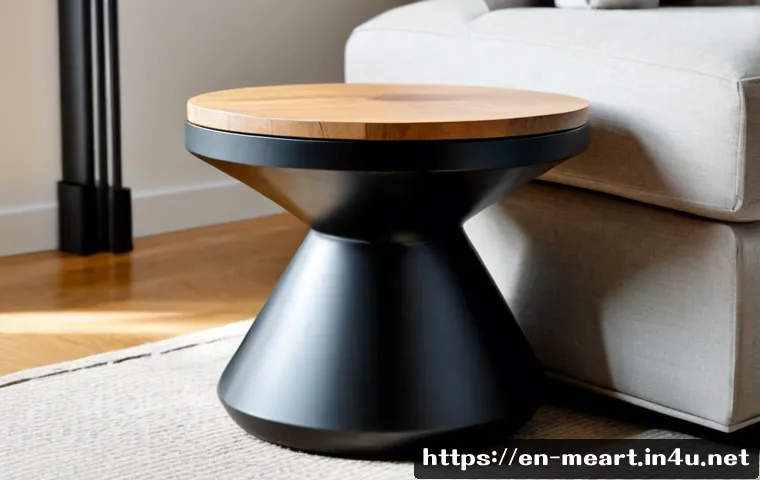
The right choice depends on whether you need a removable connection, how much weight the piece will carry, and whether you already have access to welding equipment.
A simple bolted or bracketed connection is often easier to inspect and repair than a permanent assembly. Compare material availability, tool costs, and a local fabrication quote before committing to a DIY steel frame.
Good planning protects both the appearance and long-term stability of the finished piece.
At a Glance
- Use metal for the frame and wood for tops, seats, shelves, or other touch surfaces when possible.
- Let solid wood move across the grain instead of fastening a wide panel rigidly to metal.
- Finish hot metalwork first; welding sparks, heat, and grinding dust can damage installed wood and finishes.
| Decision Area | Option A | Option B | Best Selection Question |
|---|---|---|---|
| Wood panel | Solid wood: natural appearance and seasonal movement | Plywood or engineered panel: more dimensionally stable panel construction | Does the design need a wide solid-wood surface or a panel that stays more stable? |
| Metal choice | Steel: common for structural frames and welded fabrication | Aluminum: lighter; brass and stainless steel offer distinct appearances and maintenance considerations | Is structural strength, weight, appearance, or corrosion resistance the priority? |
| Connection | Bolts, threaded inserts, screws, and brackets: serviceable and removable | Adhesives or welded frame sections: more permanent construction | Will the piece need to be moved, repaired, refinished, or disassembled? |
| Fabrication route | DIY metalwork: repeat-use tools and skill-building | Local metal fabrication service: outsourced cutting, welding, or finishing | Do tool access and future projects justify the time and equipment investment? |
The Best Way to Pair Timber With Metal in a Functional Build
The most practical mixed-material furniture approach is usually a metal structural frame with wood panels attached afterward. This separates the work each material does best: the metal frame can provide legs, braces, supports, and clean geometric lines, while wood provides the warm surface people see and touch. It also makes finishing and future maintenance easier.
Use metal for the structural frame and wood for touch surfaces or panels
A steel base with a wood tabletop is a familiar example, but the same idea works for benches, console tables, wall shelving, and storage furniture. Metal can form the perimeter, legs, or brackets. Wood can become the seat, shelf, drawer front, top, or decorative infill.
Start by deciding which part carries the load. A tabletop may need support from rails or a frame below it. A shelf needs a clear load path from the shelf board through its brackets or frame and into the wall or supporting legs. Do not assume that a good-looking joint is automatically a load-bearing joint.
Allow solid wood to move instead of locking it rigidly into the frame
Solid wood expands and contracts mainly across its grain as humidity changes. Metal movement is generally much smaller in typical indoor furniture use. When a wide wood panel is locked tightly to a metal frame with no allowance, the result can be splitting, warping, or stressed fasteners.
Mechanical attachment is useful because it can be planned around this difference. Depending on the design, bolts, screws, threaded inserts, or brackets may provide a serviceable connection. The key is to avoid treating a wide solid-wood top as if it were a permanently fixed metal plate. Plywood and other engineered panels may simplify some panel applications, but material choice should still match the design and intended use.
Start with a simple, serviceable connection when building your first piece
For an early project, favor a connection you can inspect. Bolts, threaded inserts, screws, and brackets are common choices because they can be removed if a finish needs repair or a frame needs adjustment. A removable tabletop can also make transport easier.
Adhesive may have a place in a specific assembly, but it should not be used as a shortcut around poor fit, weak geometry, or inadequate fastener support. If the piece must carry people or heavy objects, confirm that frame geometry, fastener pull-out resistance, joint placement, and expected load all work together.
Compare Materials, Joinery Methods, and Project Value
Choosing materials is not only about appearance. The practical question is whether the material supports the joinery method, finish plan, and maintenance level you can realistically handle.
Solid wood, plywood, and engineered panels: where each works best
Solid wood suits visible tops, seats, and feature panels where grain and tactile character matter. It requires a movement-aware attachment plan, particularly for wide boards. A metal base should support the top without forcing it to remain perfectly fixed across the grain.
Plywood and engineered panels can be useful for shelves, cabinet-like components, and painted or veneered surfaces. They can provide a more predictable panel format for some designs. Edge treatment, finish expectations, and fastening locations still matter, especially where screws or inserts will carry load.
Before buying hardwood, sheet goods, or reclaimed lumber, inspect the dimensions you need, the likely grain direction, and the areas where hardware will attach. Material pricing varies by species, grade, supplier, and local availability, so a cut list is more useful than a broad estimate.
Steel, aluminum, brass, and stainless steel: appearance, workability, and maintenance
Steel is commonly considered for structural furniture frames and welded work. It can suit table bases, legs, rails, and brackets, but unfinished steel can require protective coating to reduce oxidation and surface wear.
Aluminum may be attractive where lower weight is important. Brass and stainless steel can be selected for their visual character or maintenance priorities. The right metal depends on the intended environment, the tools available, the desired finish, and how the parts will be joined.
Where moisture is present, consider the interfaces between materials. Galvanic corrosion can occur when certain dissimilar metals are in electrical contact in the presence of moisture. Indoor dry furniture usually has less exposure than outdoor work, but protective coatings, sealers, and compatible finishes still help reduce staining, oxidation, and moisture-related wear.
Bolts, threaded inserts, screws, brackets, adhesives, and welded frames compared
Bolts work well when a connection should be removable and accessible. Threaded inserts can support repeat assembly in wood when properly selected and installed. Screws are straightforward for many attachments, but their holding performance depends on the wood material, pilot preparation, placement, and expected load.
Brackets can simplify corner reinforcement and shelf support. They are especially useful when you want a clear, inspectable mechanical connection rather than a hidden permanent joint. Welded frames can create clean, rigid metal subassemblies, but welding is best completed before final wood installation.
Choose adhesives only with a compatible surface and a clear understanding of what the adhesive is expected to do. A coating system may not be compatible with every wood species, metal finish, adhesive, or outdoor environment. Check the product guidance for the exact materials in your project.
When buying tools makes sense versus requesting a custom metalwork quote
Buying metalworking tools can make sense when you expect repeat use, want to develop fabrication skills, and have a suitable work area for cutting, drilling, welding, grinding, and finishing. It also gives you more control over iterations and future repairs.
Using a local fabrication service can be the better value when the frame requires precise welding, you need a one-off base, or you do not have safe access to appropriate equipment. A fabricator may handle cut metal, welded assemblies, or finishing steps while you complete the woodwork yourself. Compare the scope carefully: material, fabrication, surface preparation, coating, transport, and final assembly can be separate items.
Plan the Build Sequence to Protect Both Materials
A good sequence prevents avoidable damage. The goal is simple: establish the structure first, then protect the visible wood and final finishes from heat, dust, and handling.
Design dimensions, load paths, and attachment points before cutting
Draw the main dimensions before buying material. Identify where legs meet rails, where braces support a frame, and where the wood will connect to metal. Mark the grain direction of solid wood panels so movement is considered before holes are drilled.
For load-bearing furniture, review frame geometry, joint placement, fastener pull-out resistance, and intended weight load. A bench, shelf, and dining table do not place stress on connections in the same way. Structural adequacy cannot be determined from material names alone; dimensions, thickness, and use conditions matter.
Cut, drill, weld, grind, and finish metal before fitting finished wood
Complete welding before final wood installation whenever possible. Heat, sparks, and grinding dust can damage wood, stain a surface, or contaminate a finish. Even if the wood is covered, a workshop sequence that separates metalwork from final assembly reduces risk.
Deburr and inspect metal edges after cutting or grinding. Sharp edges can damage hands, clothing, wood surfaces, and protective coatings. Apply the selected metal coating or protective finish according to its requirements, then allow the metal parts to be ready before bringing in finished wood components.
Dry-fit the assembly and test alignment before applying final finishes

A dry fit reveals misaligned holes, rocking legs, uneven brackets, and hardware conflicts while changes are still manageable. Assemble the frame, position the wood, and check that the intended fasteners can be installed without forcing parts into place.
Then disassemble as needed for final finishing. Keep hardware organized and protect the finished surfaces during final assembly. A serviceable design makes this stage easier because access to bolts, inserts, and brackets remains available.
Common Problems and How to Avoid Them
Mixed-material furniture often fails at the transition between materials, not because wood or metal is inherently unsuitable. Most issues come from ignoring movement, finish compatibility, moisture, or load direction.
Prevent wood cracking caused by seasonal movement
Do not rigidly lock a wide solid-wood panel to a metal frame without movement allowance. Plan the attachment so the top is supported while still able to respond to humidity changes across the grain. If the design requires a very fixed panel layout, evaluate whether plywood or another engineered panel better fits the project.
Avoid burn marks, rust transfer, sharp edges, and finish contamination
Keep welding and grinding away from completed woodwork. Clean metal thoroughly before applying coatings or bringing it into contact with finished wood. Protective coatings and sealers can help reduce staining, oxidation, and moisture-related wear at the interface.
For outdoor furniture, exposure is a larger concern than it is for a dry indoor table. Confirm that the finish system is suitable for the actual metal, wood, adhesive, and environment. Moisture can also increase the relevance of dissimilar-metal corrosion concerns.
Match fastener size and spacing to the expected load
A fastener that is adequate for a decorative panel may not be appropriate for a shelf, bench, or heavy tabletop. Consider where force is pulling, pushing, or twisting the connection. More hardware does not automatically create a stronger design if the material around it is weak or the load path is poorly planned.
When the project is intended to support substantial weight, verify the full assembly rather than focusing on one screw or bolt. The frame, brackets, attachment points, wood thickness, and wall connection all matter.
Choose the Right Approach for Tables, Shelves, Benches, and Outdoor Pieces
The same wood-and-metal combination can produce very different demands depending on the furniture type. Start with the use case, then choose the joint and finish strategy.
Dining and coffee tables: stable frames with movement-friendly tops
A dining or coffee table often benefits from a welded or mechanically assembled metal base paired with a wood top attached using accessible hardware. Keep the base geometry stable and give a solid-wood top an attachment plan that does not restrain seasonal movement. Consider whether the top may need removal for moving, refinishing, or repair.
Shelving: managing sag, wall attachment, and bracket capacity
Shelving requires attention to both the shelf and its support. Metal brackets can provide a clean visual contrast with wood shelves, but bracket capacity, fastening method, shelf span, and wall attachment all need to match the intended items. Avoid treating decorative brackets as proof of structural support.
Benches and outdoor furniture: weather exposure and maintenance priorities
Benches place direct load on seats, legs, and fasteners. Use a clear load path and inspect connections that may loosen with use. Outdoor projects need additional thought about moisture, protective coatings, sealers, and maintenance access.
Where wood and metal meet outdoors, choose finishes with the actual exposure in mind. Compatibility depends on the particular wood, metal, coating, adhesive, and environment, so product instructions and local fabrication requirements should be checked before construction.
Selection Criteria and Comparison Summary
Use these checks before ordering hardwood, steel tubing, brackets, welding equipment, or finishing products:
- Movement: Is the wood solid and wide enough to require a movement-friendly attachment?
- Load: Is the piece decorative, lightly used, or intended to carry people or heavy stored items?
- Serviceability: Should the top, shelf, or frame be removable for transport, repair, or refinishing?
- Tool access: Do you have safe access to drilling, cutting, welding, grinding, and ventilation equipment?
- Finish plan: Are the metal coating, wood finish, and any adhesive compatible with each other and the environment?
- Value: Will fabrication tools be used repeatedly, or is a custom metalwork quote more practical for this one project?
Compare tool costs with a local fabrication quote before purchasing equipment. When comparing products or services, check the detailed specifications for material thickness, intended use, finish requirements, and any included fabrication steps.
In Closing
Wood and metal work well together when each material is given the right job. Build the metal structure carefully, attach solid wood with room for movement, and keep final finishes away from welding and grinding work. A removable mechanical connection is often a sensible starting point for DIY furniture. For more complex or high-load frames, careful design review or a qualified fabrication service can save time and prevent costly rework.
Useful Things to Know
1. Solid wood and metal do not respond to humidity in the same way, so attachment details matter.
2. Threaded inserts, bolts, screws, and brackets can make mixed-material furniture easier to repair.
3. Metal should be cut, welded, ground, and finished before final wood installation whenever possible.
4. Protective coatings and compatible finishes help reduce oxidation, staining, and moisture-related wear.
Important Notes
Exact project cost depends on wood species, metal grade, local supplier pricing, tool access, finishing requirements, and the complexity of the frame. The structural suitability of a particular joint cannot be confirmed without dimensions, material thickness, fastener details, and expected load. Local safety, electrical, ventilation, and fabrication requirements may apply when using welding or powered tools. Confirm finish and adhesive compatibility for the exact materials and environment before proceeding.
Frequently Asked Questions
Q1. What is the strongest way to join wood to a metal frame?
A1. There is no single strongest method for every project. A suitable connection depends on frame geometry, material thickness, fastener pull-out resistance, joint placement, and intended load. For many furniture projects, mechanical fasteners such as bolts, threaded inserts, screws, and brackets provide a practical, inspectable connection.
Q2. Is it cheaper to build a steel-and-wood table yourself or hire a metal fabricator?
A2. It depends on local material pricing, tool access, finishing needs, and whether you expect to use fabrication tools for future projects. DIY can support skill-building and repeat use, while a fabrication service may be more practical for a one-off frame requiring precise welding or when time matters more.
Q3. Can I screw a solid wood tabletop directly to a steel base?
A3. A solid wood top should not be rigidly fastened to a steel base without considering movement across the grain. A wide panel can expand and contract as humidity changes, which may contribute to splitting, warping, or fastener stress if the attachment does not allow for movement.